我们决定向甘孜泸定、雅安石棉捐赠300万元现金、300万元物资,目前已成功对接甘孜州红十字会、雅安市红十字会,今天下午已经完成打款,物资根据当地所需正在紧急集结。对于灾区需要的其他支持,我们也当全力以赴。”
9月6日下午,四川科伦药业股份有限公司相关负责人告诉记者,针对四川泸定6.8级地震中受灾严重的泸定县和石棉县,他们紧急启动灾害应急处理方案,并进行现金和物资捐赠。

2024-02-07
More
2023 Work Summary Report

With the theme of “Improve Quality, Increase Efficiency and Start a New Era”, the meeting listened to the work reports of 13 persons in charge of the Innovation Clinical, Innovation R&D, Translational Medicine, Innovation Production, and Marketing Sections. Facing the current severe situation and challenges, the persons in charge of each segment summarized and analyzed the work in 2023 by focusing on the three core elements of “Quality, Efficiency and Cost” with issues and results as the guide, and benchmarked with comparable companies in the industry with quantifiable data, and summarized and reported on the promotion of key work, project progress, and achievement of performance targets in the year of 2023. It summarized and reported the progress of key work, project progress, achievement of performance targets and problems and deficiencies in 2023, and clarified the work objectives and plans for 2024. Participating leaders made in-depth, detailed and constructive comments on the work of each segment one by one.
The year of 2023 is a year for Kelun-Biotech to overcome difficulties and make progress at a high level. In this year, the registration applications of Sutera (A166), Datatelec (A140) and Jatatelec (SKB264) were formally accepted by CDE successively; we worked with our partners to lay out the global clinical research; the clinical value of our core programs was continuously explored and rapidly verified, and the data of the clinical research of A400 and SKB264 were continuously released in the top international academic conferences and attracted the attention of international counterparts and investors. The clinical data of A400 and SKB264 were continuously published in top international conferences and attracted the attention of international peers and investors.
During the year, through continuous optimization of the alliance management process, we established a comprehensive technical communication system with Merck Sharp & Dohme to promote in-depth cooperation; we fully absorbed the industry's excellence, formed a commercialization team with strong competitiveness, and began to comprehensively start the construction of commercialization capacity; we seized the opportunity to be listed on the Stock Exchange of Hong Kong (6990.HK), and was awarded the FinanceAsia 2023 Hong Kong's Best IPO Award. Award. These achievements signify that Kelun-Biotech is undergoing a qualitative metamorphosis, and Kelun's innovation-driven development strategy has achieved a major milestone victory.
Management team speech

Dr. Junyou Ge, Chief Executive Officer of Kelun-Biotech, said that in the past year, under the correct leadership of the Chairman and the Board of Directors as well as the management team, all the staffs have overcome the difficulties, continued to deepen the reform, focused on the strengths, increased the speed and efficiency, and maintained the forward momentum of high-quality development, and achieved better results. 2024 will be the beginning of a new year for Clonbuterol and it is necessary to work hard to promote the registration process of A167, SKB264, A167, SKB264, A166, A140, etc. We will strive to push forward the registration process of A167, SKB264, SKB264, A166, A140, etc., and strive to ensure that they will be listed on the market according to the plan and on schedule, so as to realize the closed loop of ColumboTech's R&D, clinic and commercialization.
Focusing on the goals and plans for 2024, Dr. Ge Junyou put forward four requirements: firstly, we should practice the corporate culture of “scientific truth-seeking”, and every scientist should follow the spirit of truth-seeking and pragmatic scientists, dare to speak and tell the truth, and give true and objective opinions according to their duties. Secondly, we should improve efficiency, solve process redundancy, reduce and avoid ineffective, formalistic meetings; R&D leaders and management cadres should go to the front line to find and solve problems. Thirdly, we should strengthen team building, enhance the introduction of high-end talents in core technology areas, start the “bench” program, and strengthen the cultivation and guidance for high-potential, high-quality employees and successors, so as to lay a solid foundation for the everlasting success of the company. Fourthly, we should keep an open mind, think in terms of “compound interest”, and make full use of AI and other revolutionary technologies to improve the quality and efficiency of R&D work, so as to be invincible.
Dr. Ge Junyou concluded that the current international, economic and innovation environment is very severe. We have to face up to the severe situation and challenges, do our own thing under the difficult environment, exert the mentality and logic of a strong man, and practice the Group's “20-word policy” to usher in a new and effective growth.
Management team speech

Mr. Liu Gexin, Chairman of Coren Group and Coren Kelun-Biotech, delivered an important speech to express his heartfelt thanks to all the colleagues for their hard work and excellent contributions. Mr. Liu Innovation, Chairman of the Board of Directors, spoke about: 2023 is a year of excitement for Coren, Chuanning Bio and Coren Botay were successfully spun off and listed on the stock market, and Coren Group has formed an operation pattern supported by three major capital platforms in the shape of the character of “Pin”; and the strong alliance between Coren Medical Trade and China Resources marks the formation of a new ecology in China's pharmaceutical industry, which is of extraordinary significance! The world is in a situation of unprecedented change, a new round of scientific and technological revolution and industrial change accelerate the evolution.
The chairman of the board of directors then put forward to strengthen the innovation of international cooperation, fully embrace the new technology, expand the innovation track and a number of insightful industry forward-looking suggestions, and finally encouraged all employees: “Opportunity is in the time you are not ready to appear, so first take the china work, and then look for diamond diamonds”;” One person, one family, one team, what kind of ideal, there will be what kind of future, please firmly believe in Coren's “striver-oriented” core values and the strong vitality of the Executive culture! The door to an era of strength and innovation is opening, and flowers are blooming in front of us.”
Award Ceremony for Recognition of Advancement
The meeting also held an award ceremony to recognize the advanced in 2023. Award certificates, trophies and prizes were presented to advanced individuals, advanced teams and innovative drug NDA project teams. The chairman of the board of directors and the leaders of the meeting expressed warm congratulations to all the award-winning employees and teams, and the team employees were highly encouraged.
In the year of 2024, all the staff will continue to make progress, work hard, and contribute to the company's effective growth in R&D and innovation, and create a brilliant future together.
2024-01-11
More
The 42nd J.P. Morgan Annual Healthcare Conference(“JPMHC”)2024 is taking place on January 8-11 at San Fracisco, USA, members of Sichuan Kelun-Biotech Biopharmaceutical Co., Ltd. (6990.HK, Kelun-Biotech) senior management team participated in the conference. Dr. Micheal Ge, CEO of Kelun-Biotech, delivered a presentation about innovation strength and business progress of Kelun-Biotech.
Presentation Title: Dedicated to human health with a caring heart
Presentation Time: Pacific Standard Time (PST) Tuesday 8:00 AM, January 9, 2024
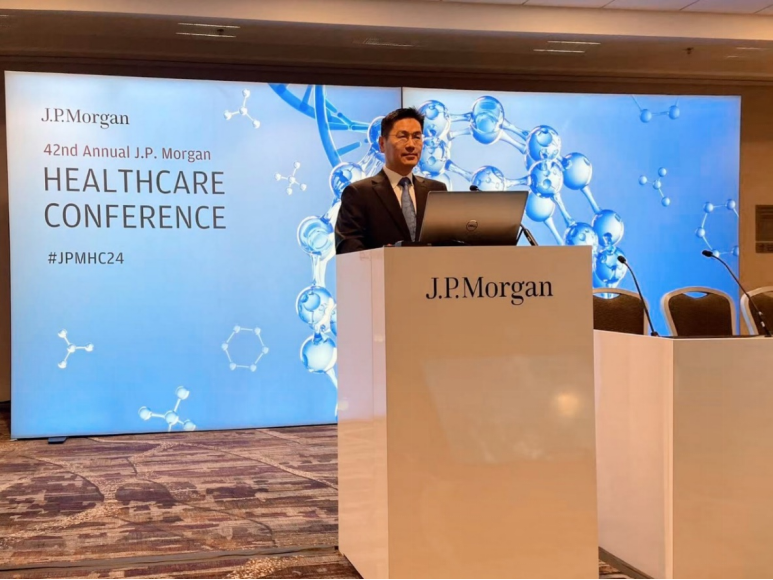
As one of the pioneers in the antibody-drug conjugates (ADC) development company, Kelun-Biotech has established world leading ADC platform “OptiDC?”, as well as a rich and differentiated ADC R&D pipeline covers unmet clinical needs in the field of oncology. Our core product Trops-ADC and Her2 ADC are expected to be approved for NDA in China this year. Meanwhile, Kelun-Biotech is accelerating the development progress of over 10 clinical and pre-clinical ADC and ADC-derivative products. With the support of the Kelun Group, Kelun-Biotech has built mature R&D, manufacturing and quality control system, the company is now building a commercialization team to form the marketing system. Kelun-Biotech’s innovation capability has gained high recognition from global partners, including MSD, and the capital market. Kelun-Biotech is rapidly developing a unique growth curve as an ADC R&D pharmaceutical enterprise.
Dr.Michael Ge said: “It’s our pleasure to meet again with global industry leaders, innovative technology creators and members of the investment community here at JPMHC. Our top priority is to rapidly advance our differentiated pipeline programs into and through the clinic for disease conditions with significant medical needs. We will continue to innovate and optimize our ADC platform, discover novel payloads, linkers, engineer novel ADC designs, and expand clinical application of antibody drug conjugates to non-oncology disease areas. Build upon our end-to-end drug development capabilities, infrastructure, and commercialization readiness. Furthermore, we plan to extend our global footprints through strategic partnerships and maximize our pipeline and portfolio value. We look forward to achieving and updating you on the 2024 milestones in the coming year”.
Presentation Slides is available on the investor relations page of Kelun-Biotech website at: 投资者关系 - 四川科伦博泰生物医药股份有限公司 (kelun-biotech.com)
About Kelun-Biotech
Kelun-Biotech(6990.HK)is a holding subsidiary of Kelun Pharmaceutical (002422.SZ), which focuses on the R&D, manufacturing, commercialization and global collaboration of innovative biological drugs and small molecule drugs. The company focuses on major disease areas such as solid tumors, autoimmune, inflammatory, and metabolic diseases, and in establishing a globalized drug development and industrialization platform to address the unmet medical needs in China and the rest of world. The Company is committed to becoming a leading global enterprise in the field of innovative drugs. At present, the Company has 33 ongoing innovative projects in major disease areas such as solid tumors, autoimmune, inflammatory, and metabolic diseases, including 14 projects in the clinical stage with several global trials being conducted simultaneously in multiple countries, including China, Europe, and the United States. The company has established one of the world’s leading proprietary ADC platforms, OptiDC, and has four ADC projects in the clinical stage (two of which are in the NDA stage) and several projects in the preclinical stage. For more information, please visit https://kelun-biotech.com/.
2024-01-01
More
Sequence of time change, the Chinese chapter is new, on the occasion of this wonderful moment of resignation and welcome the new year, Kelun-Biotech to the hard work and dedication of all the staff and their families, to care for and support the development of the company from all walks of life of friends, to send the most sincere greetings and the best wishes!
Looking back on the past year, we have jointly experienced the turbulence and test of the industry, the company showed strong will and extraordinary perseverance to overcome the difficulties and achieved remarkable results. From product research and development to commercialization capacity building, every step condenses the sweat and wisdom of all colleagues.
During the year, we adhered to the innovation-driven development strategy and actively explored new ways of cutting-edge technologies and treatments for major diseases. By strengthening our biology and translational medicine research capabilities, we enhanced the efficiency and success rate of innovative drug development, and several innovative projects were awarded preclinical candidate compounds and one IND application was approved. Based on the advantages of our existing technology platform, we accelerated the research and development of new ADC drugs, launched the layout of radionuclide coupled drugs (RDC), and continued to expand the new direction of drug coupling technology, so as to solidify the foundation for the continuous enhancement of the value of our innovation pipeline.
During the year, we insisted on concentrating our efforts on advancing the clinical research progress of our projects, and continued to explore and rapidly validate the clinical value of our core projects, and the marketing applications of three products, A166 (Sutera?, HER2-ADC), A140 (Dattelite?, cetuximab), and SKB264 (Jatelle?, MK-2870, TROP2-ADC), were approved by the National Drug Administration's Center for Drug Evaluation (CDE). The Center for Drug Evaluation (CDE) of the State Drug Administration accepted the registration of three products, six new studies were approved by the CDE for clinical trials, and eight registered clinical studies were in full speed.
During the year, we insisted on striving for excellence, accelerated the construction of the industrial park, and continuously improved the quality of production. We established a life-cycle drug R&D and production quality system in line with international standards such as FDA, EU regulations and ICH guidelines, and continued to consolidate the integrated and comprehensive production platform. 2023 saw the completion of process validation of two projects, pre-production studies of three projects, NDA filing of three projects, and two-in-one inspection of registration and GMP of one project.
During the year, we insisted on deepening international cooperation and continued to optimize the alliance management process. We established a comprehensive technical communication system with Merck Sharp & Dohme to promote in-depth cooperation. We innovated the idea of cooperation, continuously explored new opportunities for project introduction and transfer, actively integrated into the global pharmaceutical industry chain, and fought our way forward from the global innovative drug-following development to the leading development.
This year, we launched the commercialization capacity building. We have fully absorbed industry talents to form a commercialization team with strong competitiveness; while carefully planning and formulating the promotion plan for our innovative products, we have actively expanded and enhanced the market influence and brand reputation of Clonbuterol and its innovative products, so as to lay a solid foundation for the future commercialization at a high level.
During the year, we seized the opportunities and pushed the company towards a broader development platform. on July 11, 2023, Kelun-Biotech was successfully listed on the Hong Kong Stock Exchange, which became the largest IPO in the healthcare sector in Hong Kong's capital market since 2022; it won the Best IPO Award of Hong Kong, China, by FinanceAsia 2023; and it won the Most Innovative Value Award of the Year in the list of the Most Valuable Leaders in Capital Markets of the Financial Times in 2023, and the Most Innovative Value Award of the Year. In the list of the Most Valuable Leaders in Capital Markets by Caixun in 2023, the company was honored with the Most Innovative Value Award of the Year, marking a major milestone in the innovation-driven development strategy of Coren.
All the achievements were made thanks to the strong leadership of the Board of Directors and the strong support of the Group, as well as the hard work of all colleagues. Hereby, we would like to express our highest respect and most sincere gratitude to all of you!
The yearly calendar has turned over a brand new page, and we are standing on a new starting line, with a glorious prospect unfolding in front of us. The roc rises with the wind one day, and rises ninety thousand miles. Let's work together to draw a new blueprint for Kolon in the pharmaceutical industry, continue to promote the construction of a healthy China, and contribute China's power to the global health of mankind.
In the new year, I wish you all a happy new year, a happy family and all your wishes!
January 1, 2024
2023-12-11
More
Sichuan Kelun-Biotech Biopharmaceutical Co., Ltd. (“Kelun-Biotech”, 6990.HK) announced that the new drug application (the “NDA”) for SKB264 (MK-2870, Brand name: 佳泰莱) in adult patients with unrespectable locally advanced, metastatic triple-negative breast cancer (TNBC) who have received at least two prior systemic therapies (at least one of them for advanced or metastatic setting) was accepted by the Center for Drug Evaluation (CDE) of the National Medical Products Administration (NMPA). SKB264 (MK-2870) is expected to be the first domestic TROP2-ADC to be approved for marketing in China. This SKB264 New Drug Application is based on a multi-center, randomized, controlled phase 3 clinical study of SKB264 (MK-2870) monotherapy for second line or above locally advanced or metastatic
SKB264 new drug application has been included in the priority review and approval process by the Center for Drug Evaluation (CDE) of the National Medical Products Administration (NMPA). For drugs that included in the priority review, CDE will prioritize the review and verification procedures to effectively shorten the approval timeframe for launching clinical-valuable new drugs to the market. The Company plans to publish the Phase III clinical trial data at the Academic Conference 2024 and promote the early launch of SKB264, to enrich the clinical treatments for patients with second-line and above TNBC.
Breast cancer is the number one malignant tumor that seriously threatens women's health all over the world, and its incidence is increasing year by year. TNBC is a subtype of breast cancer with specific molecular expression characteristics, invasive behavior and metastatic patterns, and has a poorer prognosis than other subtypes of breast cancer, with higher rates of local recurrence and distant metastasis, and the 5-year survival rate is only 13% for advanced TNBC patients (National Cancer Institute 2022). Due to the lack of therapeutic targets such as endocrine and HER2, TNBC is insensitive to both hormonal and targeted therapies, and the current treatment is still based on chemotherapeutic agents. For patients with second-line and above TNBC, the progression-free survival of current clinically available chemotherapy regimens is less than 3 months, and overall survival is about 5-8 months (Kazmi et al. 2020, O'Shaughnessy et al. 2021), and there is a large and urgent unmet clinical need for more effective therapeutic agents
On December 2023, Kelun-Biotech updated efficacy and safety results from a phase II expansion cohort in patients with previously treated metastatic TNBC for SKB264 (MK-2870) have been presented at the 46th San Antonio Breast Cancer Symposium (SABCS). (SABCS 2023 news link here)
About SKB264 (MK-2870)
SKB264 is a representative innovative ADC targeting TROP2, developed by Kelun-Biotech 's internationally renowned ADC research and development platform—OptiDC. It consists of a humanized anti-TROP2 monoclonal antibody with high affinity and targeting, combined with the self-developed small toxin molecule T030 (a topoisomerase I inhibitor) through a stability-optimized CL2A linker. The drug-to-antibody ratio (DAR) averages as high as 7.4. The stability of SKB264 has been enhanced in two main ways, allowing more ADC to effectively reach tumor cells. Firstly, the antibody end of the linker uses a sulfonamide pyrimidine connector, which allows for irreversible coupling with the antibody. Secondly, T030 contains a methyl sulfone structure, which can securely bind with the toxin end of the linker. The linker of SKB264 is affected by both extracellular pH-sensitive cleavage and intracellular enzymatic cleavage within tumor cells, which leads to efficient release of the small toxin molecule to exert its anti-tumor effects. T030 activity is similar to that of DXd and also shows a “bystander effect”. In summary, SKB264 exerts its anti-tumor effect in three ways. Firstly, the pH-sensitive linker can cleave and release T030 in the acidic tumor microenvironment. Secondly, after being engulfed by tumor cells, SKB264 releases T030 via enzymatic cleavage. Thirdly, T030 can also penetrate the cell membrane to exert a "bystander effect" to kill surrounding tumor cells. With a high-affinity monoclonal antibody, highly active toxin molecule, good stability, and high DAR value, the overall design of SKB264 contributes to its robust anti-tumor activity which has been preliminarily demonstrated in clinical studies to date.
In May 2022, the Company licensed the exclusive rights to MSD (the tradename of Merck & Co., Inc, Rahway, NJ, USA) to develop, use, manufacture and commercialize SKB264 (MK-2870) in all territories outside of Greater China (includes Mainland China, Hong Kong, Macao, and Taiwan).
SKB264 has received 3 BTDs from the CDE of China’s NMPA for the treatment of locally advanced or metastatic TNBC, locally advanced or metastatic EGFR-mutated non-small cell lung cancer which has failed EGFR-TKI therapy, and locally advanced or metastatic hormone receptor-positive (HR+) and human epidermal growth factor receptor 2-negative (HER2-) breast cancer which has received at least second-line systemic therapy.
About Kelun-Biotech
Kelun-Biotech (6990.HK) is a holding subsidiary of Kelun Pharmaceutical (002422.SZ), which focuses on the R&D, manufacturing, commercialization and global collaboration of innovative biological drugs and small molecule drugs. The company focuses on major disease areas such as solid tumors, autoimmune, inflammatory, and metabolic diseases, and in establishing a globalized drug development and industrialization platform to address the unmet medical needs in China and the rest of world. The Company is committed to becoming a leading global enterprise in the field of innovative drugs.
At present, the Company has 33 ongoing innovative projects in major disease areas such as solid tumors, autoimmune, inflammatory, and metabolic diseases, including 14 projects in the clinical stage with several global trials being conducted simultaneously in multiple countries, including China, Europe, and the United States. The company has established one of the world’s leading proprietary ADC platforms, OptiDC, and has four ADC projects in the clinical stage (two of which are in the Phase III or NDA stage) and several projects in the preclinical stage. For more information, please visit https://kelun-biotech.com/.
References:
1. National Cancer Institute (2022) Cancer Stat Facts: Female Breast Cancer Subtypes.
2.[Kazmi S, Chatterjee D, Raju D, et al. (2020)] Overall survival analysis in patients with metastatic breast cancer and liver or lung metastases treated with eribulin, gemcitabine, or capecitabine. Breast Cancer Research and Treatment; 184(2):559-565.
3.[O'Shaughnessy J, Punie K, Oliveira M, et al. (2021)] Assessment of sacituzumab govitecan (SG) versus treatment of physician’s choice (TPC) cohort by agent in the phase 3 ASCENT study of patients (pts) with metastatic triple-negative breast cancer (mTNBC). (2021): 1077-1077. https://meetinglibrary.asco.org/record/198258/abstract
Forward-Looking Statements
This press release contains certain forward-looking statements. These statements are based on the beliefs of our management as well as assumptions made by and information currently available to our management. When used in this press release, the words “aim,” “anticipate,” “believe,” “could,” “estimate,” “expect,” “going forward,” “intend,” “may,” “might,” “ought to,” “plan,” “potential,” “predict,” “project,” “seek,” “should,” “will,” “would” and the negative forms of these words and other similar expressions are intended to identify forward-looking statements. Such statements reflect the current views of our management with respect to future events, operations, liquidity and capital resources, some of which may not materialize or may change.
It is advised not to place any undue reliance on any forward-looking statements contained herein. The Company can give no assurance that these forward-looking statements will prove to have been correct. Expectations reflected in these forward-looking statements are subject to change and the Company undertakes no obligation to update or revise any forward-looking statements herein.
2023-12-07
More
The 46th American San Antonio Breast Cancer Symposium (SABCS) will be held from December 5th to 9th, Central Standard Time (CST), and the latest clinical results evaluating Kelun-Biotech's TROP2 ADC SKB264 (also known as MK-2870) will be presented in the form of a poster spotlight presentationthe Phase II expansion study for patients with locally advanced or metastatic triple-negative breast cancer (TNBC).
Previously, Kelun-Biotech had presented efficacy and safety data of SKB264 from a Phase II expansion study in TNBC at 2022 SABCS, and this year we will present updated results including overall survival (OS) data.
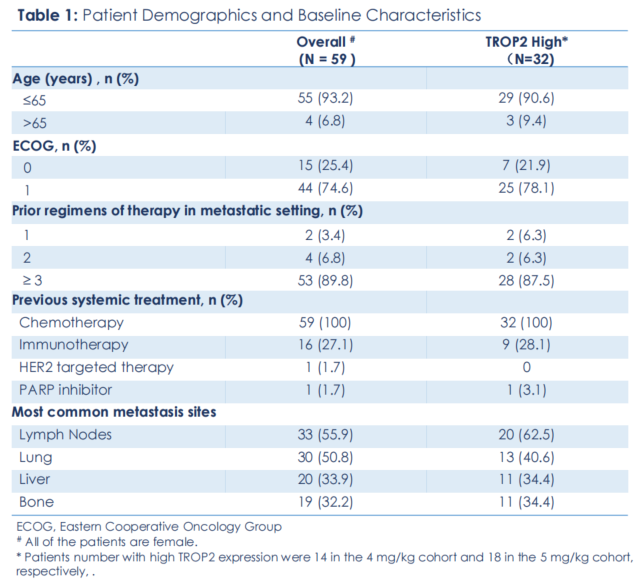
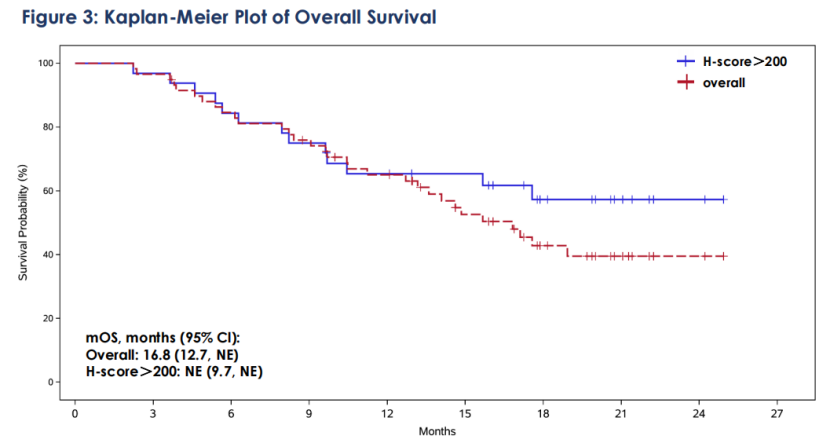
The Phase II expansion study includes 59 patients with previously treated locally advanced or metastatic TNBC who received SKB264 monotherapy, with a median follow-up time of 22.8 months (data cutoff date: May 5, 2023).
Baseline characteristics:
Among the 59 enrolled patients, 89.8% (53 patients) had previously received three or more treatment regimens, 27.1% (16 patients) had previously received immunotherapy, about half had lung metastases, and one-third had liver metastases.
Efficacy:
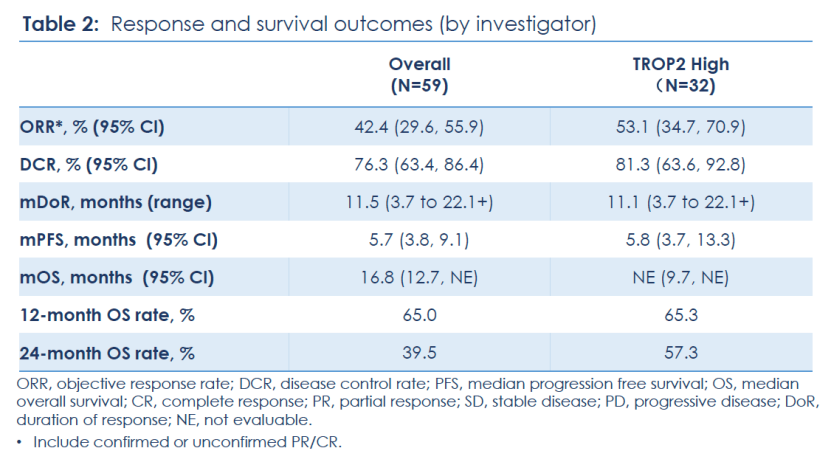
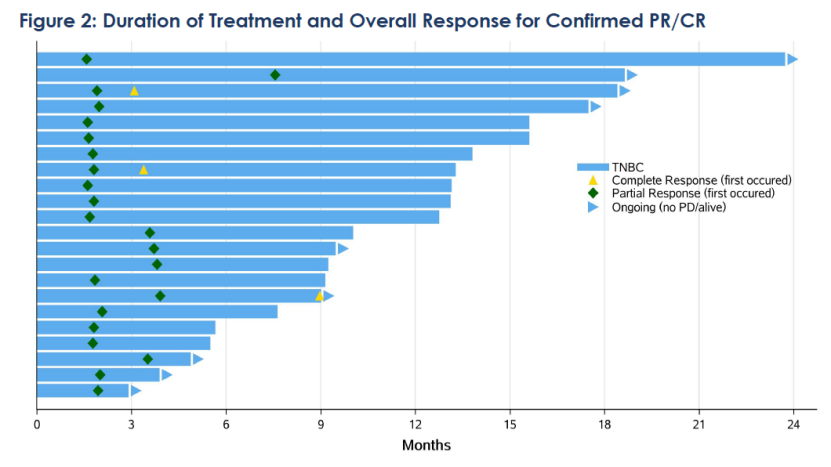
Among the 59 treated patients with locally advanced or metastatic TNBC, the objective response rate (ORR) was 42.4%, with 3 patients achieving complete response (CR); the disease control rate (DCR) was 76.3%; the median duration of response (mDoR) was 11.5 months. In addition, median progression-free survival (mPFS) was 5.7 months, and the median overall survival (mOS) reached 16.8 months, with 12-month and 24-month OS rates of 65% and 39.5%, respectively. Nearly 40% of patients in the study treated with SKB264 were alive at two years.. In the subgroup of patients with high TROP2 expression (H-score>200, n=32), the ORR was 53.1%, mDoR was 11.1 months, mPFS was 5.8 months, mOS had not been reached, and the 12-month and 24-month OS rates were 65.3% and 57.3% respectively.
Safety:
Treatment-related adverse events (TRAEs) were mainly hematologic toxicity, which was clinically manageable. The most common treatment-related adverse events (TRAEs ≥10%) of Grade 3 or higher were neutrophil count decrease, white blood cell count decrease, anemia, and platelet count decrease. TRAEs led to dose reduction in 13.6% of patients. No interstitial lung disease (ILD) or diarrhea of Grade 3 or higher was observed. No deaths occurred due to TRAE.
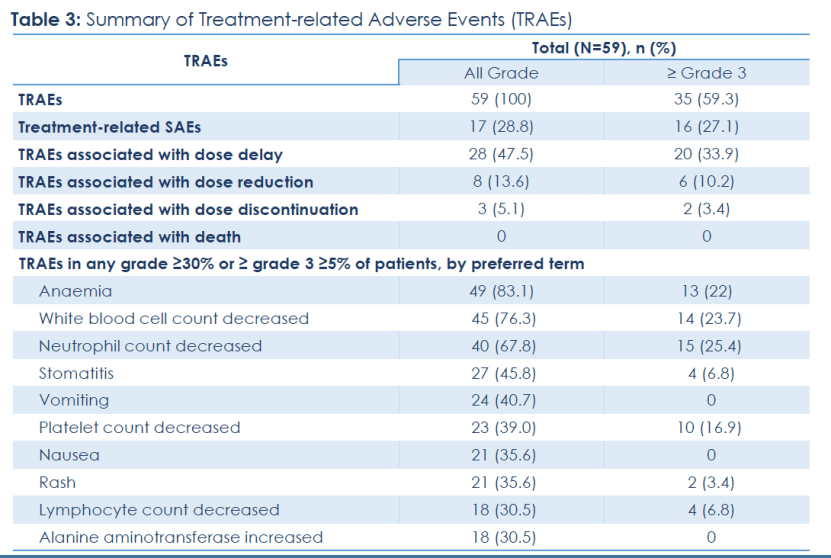
The updated clinical data indicated that patients with locally advanced or metastatic TNBC who have received multiple prior treatments may achieve sustained responses and extended overall survival (OS) trends with SKB264 treatment, and with manageable safety. Notably, a better response trend was observed in patients with locally advanced or metastatic TNBC with higher TROP2 expression.
Currently, the Phase III registrational clinical study of SKB264 monotherapy in at least second-line locally advanced or metastatic TNBC has reached the primary endpoint of improvement in PFS and has been included for priority review by the CDE. It is expected that a m product will be launched as soon as possible to benefit more patients.
About SKB264 (MK-2870)
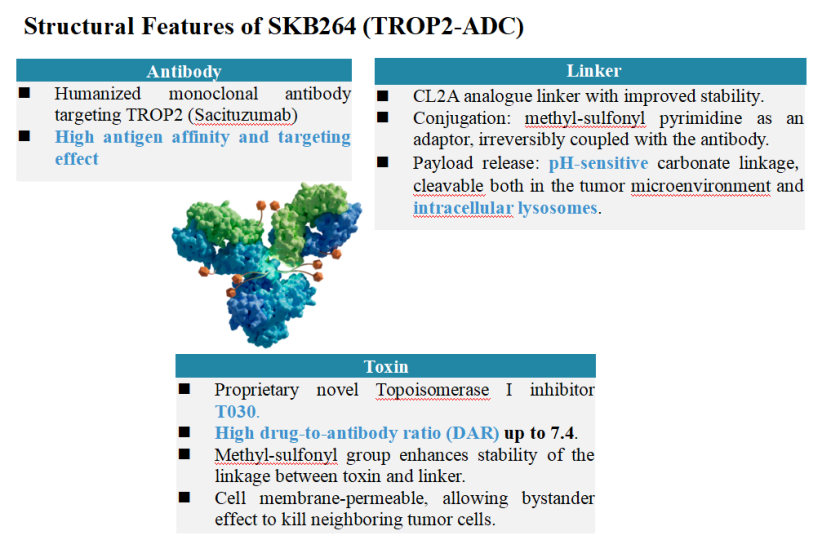
SKB264 is a representative innovative ADC targeting TROP2, developed by Kelun-Biotech 's internationally renowned ADC research and development platform—OptiDC. It consists of a humanized anti-TROP2 monoclonal antibody with high affinity and targeting, combined with the self-developed small toxin molecule T030 (a topoisomerase I inhibitor) through a stability-optimized CL2A linker. The drug-to-antibody ratio (DAR) averages as high as 7.4. The stability of SKB264 has been enhanced in two main ways, allowing more ADC to effectively reach tumor cells. Firstly, the antibody end of the linker uses a sulfonamide pyrimidine connector, which allows for irreversible coupling with the antibody. Secondly, T030 contains a methyl sulfone structure, which can securely bind with the toxin end of the linker. The linker of SKB264 is affected by both extracellular pH-sensitive cleavage and intracellular enzymatic cleavage within tumor cells, which leads to efficient release of the small toxin molecule to exert its anti-tumor effects. T030 activity is similar to that of DXd and also shows a “bystander effect”. In summary, SKB264 exerts its anti-tumor effect in three ways. Firstly, the pH-sensitive linker can cleave and release T030 in the acidic tumor microenvironment. Secondly, after being engulfed by tumor cells, SKB264 releases T030 via enzymatic cleavage. Thirdly, T030 can also penetrate the cell membrane to exert a "bystander effect" to kill surrounding tumor cells. With a high-affinity monoclonal antibody, highly active toxin molecule, good stability, and high DAR value, the overall design of SKB264 contributes to its robust anti-tumor activity which has been preliminarily demonstrated in clinical studies to date.
SKB264 has received 3 Breakthrough Therapy Designations (BTDs) from the Center for Drug Evaluation (CDE) of China’s National Medical Products Administration (NMPA) for the treatment of locally advanced or metastatic triple-negative breast cancer (TNBC), locally advanced or metastatic EGFR-mutated non-small cell lung cancer which has failed EGFR-TKI therapy, and locally advanced or metastatic hormone receptor-positive (HR+) and human epidermal growth factor receptor 2-negative (HER2-) breast cancer which has received at least second-line systemic therapy.
Based on preliminary clinical data, SKB264 is currently being evaluated in Phase Ⅱ and Phase Ⅲ clinical trials as either a single agent or combination therapy in multiple solid tumors.
Domestic development:
· the Phase Ⅲ pivotal clinical study of SKB264 monotherapy in patients with advanced or metastatic TNBC who have failed at least second-line therapy has reached the primary endpoint and is expected to be the first domestic TROP2-ADC to be approved for marketing.
· Clinical trial registration of SKB264 monotherapy in patients with TKI-resistant EGFR-mutated NSCLC are rapidly advancing.
· Several Phase Ⅱ clinical studies in combination with pembrolizumab (KEYTRUDA?, MSD’s anti-PD-1 therapy) or KL-A167 (Kelun’s anti-PD-L1 monoclonal antibody) are advancing steadily.
Developments abroad:
Kelun-Biotech has granted MSD the exclusive right to develop, manufacture, and commercialize SKB264 (MK-2870) in all territories outside of Greater China (includes Mainland China, Hong Kong, Macao, and Taiwan).
About Kelun-Biotech
Kelun-Biotech(6990.HK)is a holding subsidiary of Kelun Pharmaceutical (002422.SZ), which focuses on the R&D, manufacturing, commercialization and global collaboration of innovative biological drugs and small molecule drugs. The company focuses on major disease areas such as solid tumors, autoimmune, inflammatory, and metabolic diseases, and in establishing a globalized drug development and industrialization platform to address the unmet medical needs in China and the rest of world. The Company is committed to becoming a leading global enterprise in the field of innovative drugs.
At present, the Company has 33 ongoing innovative projects in major disease areas such as solid tumors, autoimmune, inflammatory, and metabolic diseases, including 14 projects in the clinical stage with several global trials being conducted simultaneously in multiple countries, including China, Europe, and the United States. The company has established one of the world’s leading proprietary ADC platforms, OptiDC, and has four ADC projects in the clinical stage (two of which are in the Phase III or NDA stage) and several projects in the preclinical stage. For more information, please visit https://kelun-biotech.com/.
Forward-Looking Statements
This press release contains certain forward-looking statements. These statements are based on the beliefs of our management as well as assumptions made by and information currently available to our management. When used in this press release, the words “aim,” “anticipate,” “believe,” “could,” “estimate,” “expect,” “going forward,” “intend,” “may,” “might,” “ought to,” “plan,” “potential,” “predict,” “project,” “seek,” “should,” “will,” “would” and the negative forms of these words and other similar expressions are intended to identify forward-looking statements. Such statements reflect the current views of our management with respect to future events, operations, liquidity and capital resources, some of which may not materialize or may change.
It is advised not to place any undue reliance on any forward-looking statements contained herein. The Company can give no assurance that these forward-looking statements will prove to have been correct. Expectations reflected in these forward-looking statements are subject to change and the Company undertakes no obligation to update or revise any forward-looking statements herein.
2023-11-27
More
Kelun-Biotech announces that KL590586 (EP0031) (small molecule RET kinase inhibitor, also named A400) program, licensed to global ex-China partner Ellipses Pharma, has been granted Orphan Drug Designation (ODD) by the US Food and Drug Administration (FDA) for the treatment of RET fusion-positive solid tumors.
Orphan drugs are drugs used for the prevention, treatment and diagnosis of rare diseases. The FDA grants ODD for investigational treatments for rare diseases, such as RET fusion-positive solid tumours, defined as affecting fewer than 200,000 people in the United States. The designation is an important milestone in the development of innovative drugs, it is expected to accelerate the progress of clinical trials in the United States. ODD qualifies the developer for certain incentives with the goal of accelerating drug development for patients, including tax credits and seven years of market exclusivity in the US upon approval by the FDA.
A400 (EP0031) is a next generation selective RET inhibitor (SRI) with broad activity against common RET fusions and mutations. Therefore, A400 (EP0031) may overcome resistance mechanisms to first generation SRIs. In preclinical studies, A400 (EP0031) demonstrated favourable inhibitory activity against key RET kinases in-vitro and in-vivo. A400 (EP0031) also demonstrated good penetration of the blood brain barrier in animal models. At present, Kelun-Biotech is conducting A400 (EP0031) pivotal clinical study in China for RET-positive non-small cell lung cancer.
In March 2021, Kelun-Biotech granted Ellipses an exclusive license for A400 (EP0031) in certain territories including the US and Europe, with Kelun-Biotech retaining certain rights in Greater China and parts of the Asia-Pacific region such as Korea, Singapore, Malaysia.
In June 2022, the FDA approved an investigational new drug application for A400 (EP0031), and a Phase 1/2 trial is ongoing in patients with malignant tumors with RET gene alteration.
About RET altered malignancies
RET fusions and mutations are present in a wide range of tumors, including non-small cell lung cancer, medullary thyroid cancer and other types of thyroid cancer, as well as colorectal cancer, so targeting RET gene changes is promising as a treatment for all types of cancer. However, for patients with RET gene alteration, the effect of traditional chemotherapy and immunotherapy is limited, especially for patients with drug resistance after first-generation SRI treatment, the acceptable treatment options are limited, and the prognosis is poor, and there are still unmet clinical needs.
About Kelun-Biotech
Kelun-Biotech(6990.HK)is a holding subsidiary of Kelun Pharmaceutical (002422.SZ), which focuses on the R&D, manufacturing, commercialization and global collaboration of innovative biological drugs and small molecule drugs. The company focuses on major disease areas such as solid tumors, autoimmune, inflammatory, and metabolic diseases, and establishing an globalized drug development and industrialization platform for the unmet medical needs in China and worldwide. The Company is committed to becoming an leading global enterprise in the field of innovation drugs.
At the present, the company has 33 ongoing innovative projects in major disease areas such as solid tumors, autoimmune, inflammatory, and metabolic diseases, including 14 projects in the clinical stage with multiple global trials conducted simultaneously in several regions including China, Europe, and the United States. The company has established one of the world’s leading in-house developed ADC platform, OptiDC, and has four ADC projects in the clinical stage (two of which are in the phase III or NDA stage, respectively) and several projects in the preclinical stage.
For more information, please visit https://kelun-biotech.com/.
About Ellipses Pharma Limited
Ellipses Pharma is a global drug development company based in London, focused on accelerating the development of cancer treatments through an innovative drug development model that combines unbiased vetting to de-risk initial asset selection with an uninterrupted funding flow to minimise the time it takes to advance lead products through clinical trials and reach patients. For more information, please visit www.ellipses.life
2023-11-13
More
First Patient Completed Dose Administration in Phase III Registrational Clinical Study of Kelun-Biotech SKB264 for the Treatment of Second-line and Above HR+/HER2- Breast Cancer
Sichuan Kelun-Biotech Biopharmaceutical Co., Ltd. (otherwise known as Kelun-Biotech, stock code: 6990.HK) completed the first patient dose administration in China for its Phase III registrational study of the innovative TROP2 ADC product, SKB264 (also known as MK-2870) recently. This study, led by Professor Xu Binghe from the Cancer Hospital of Chinese Academy of Medical Sciences, is investigating the use of SKB264 for the treatment of second-line and above hormone receptor-positive (HR+) and human epidermal growth factor receptor 2-negative (HER2-) breast cancer.
SKB264 (MK-2870), which is jointly developed with MSD (the tradename of Merck & Co., Inc., Rahway, NJ, USA), is one of the core products of Kelun-Biotech and possesses independent intellectual property rights, is the first domestically produced TROP2-ADC to secure Breakthrough Therapy Designation (BTD) from the Center for Drug Evaluation (CDE) of the National Medical Products Administration (NMPA) for the treatment of HR+/HER2- breast cancer and has subsequently entered into Phase III registrational studies. Accordingly, Kelun-Biotech has carefully designed a comprehensive development plan for this core asset in China. Currently, SKB264 monotherapy is being investigated in Phase III registrational clinical studies for HR+/HER2- breast cancer patients in the second-line setting and beyond. Additionally, SKB264 in combination or uncombination with A167 (anti-PD-L1 monoclonal antibody) is undergoing Phase II investigational studies in first-line patients. In addition, SKB264 for patients with unresectable locally advanced or metastatic triple-negative breast cancer (TNBC) who have received at least 2 prior systemic therapies, with at least 1 of those therapies targeting an advanced or metastatic stage, has been approved for in Priority Review by the CDE.
According to the latest data of the International Agency for Research on Cancer (IARC), 2.3 million new cases of breast cancer occurred worldwide in 2020, accounting for about 25% of female malignancies. Surpassing lung cancer for the first time, it is becoming the most common malignant tumor and poses a serious threat to the health of women worldwide. The annual number of new cases of female breast cancer in China (416,000) is far higher than that in other countries, ranking first in the world. Approximately 60% of breast cancer patients in China have tumors that express HR+/HER2-, and about 70%[1-2] with a higher proportion abroad. As SKB264 (MK-2870) progressively advances into the Phase III registrational clinical study for second-line and above HR+/HER2- breast cancer, and successfully administered the initial patient dosage, this provides an encouraging indication that SKB264 (MK-2870) is poised to benefit a larger population of HR+/HER2- breast cancer patients in the near future.
About SKB264 (MK-2870)
SKB264 is an innovative TROP2-directed ADC which was developed by OptiDC, a well-known international ADC R&D platform of Kelun-Biotech, using a proprietary payload-linker strategy (Kthiol design strategy) that achieves an optimized balance of ADC safety and efficacy by combining novel irreversible antibody conjugation chemistry, pH-sensitive payload release mechanisms, and site-specific moderately potent toxin molecules with a DAR of 7.4 (novel topoisomerase I inhibitors) [3].

SKB264 has received 3 Breakthrough Therapy Designations (BTDs) from the Center for Drug Evaluation (CDE) of China’s National Medical Products Administration (NMPA) for the treatment of locally advanced or metastatic triple-negative breast cancer (TNBC), locally advanced or metastatic EGFR-mutated non-small cell lung cancer which has failed EGFR-TKI therapy, and locally advanced or metastatic hormone receptor-positive (HR+) and human epidermal growth factor receptor 2-negative (HER2-) breast cancer which has received at least second-line systemic therapy.
Based on preliminary clinical data, SKB264 is currently being evaluated in Phase Ⅱ and Phase Ⅲ clinical trials as either a single agent or combination therapy in multiple solid tumors.
Domestic development:
the Phase Ⅲ registrational clinical study of SKB264 monotherapy in patients with advanced or metastatic TNBC who have failed at least second-line therapy has arrived the primary endpoint and is expected to be the first domestic TROP2-ADC to be approved for marketing.
Phase III clinical studies of SKB264 monotherapy in patients with TKI-resistant EGFR-mutated NSCLC are rapidly advancing.
Several Phase Ⅱ clinical studies in combination with pembrolizumab (KEYTRUDA?, MSD’s anti-PD-1 therapy) or KL-A167 (Kelun’s anti-PD-L1 monoclonal antibody) are conducting smoothly.
Developments abroad:
Kelun-Biotech has granted MSD the exclusive rights to develop, manufacture, and commercialize SKB264 (MK-2870) in all territories outside of Greater China (includes Mainland China, Hong Kong, Macao, and Taiwan). Currently, MSD has initiated a clinical study of MK-2870 EGFR-mutant NSCLC, and several other global multicenter registrational clinical studies are under preparation.
About Kelun-Biotech
Kelun-Biotech(6990.HK)is a subsidiary of Kelun Pharmaceutical Holdings, which focuses on the R&D, manufacture, commercialization and international cooperation of biotechnology-derived pharmaceuticals and innovative small molecule drugs. The company focuses on major disease areas such as solid tumors, autoimmune, inflammatory, and metabolic disease. Building an international drug development and industrialization platform around the unmet clinical needs of the world and China, the Company is committed to becoming an internationally leading enterprise in the field of innovation. Significant progress has been made in the field of biotechnological drugs, including ADCs, monoclonal antibodies, bispecific antibodies, and sought-after technologies for innovative small molecule drugs. OptiDC, an internationally renowned ADC research and development platform, has been successfully constructed, and 4 ADCs are in clinical trials (including 2 in the registrational Phase III or NDA filing stage), along with several projects in preclinical development. At present, the company has 33 innovative projects for the treatment of major diseases such as solid tumors, autoimmune, inflammatory, and metabolic disease, and 14 projects are advancing in clinical studies, including multiple global multicenter clinical trials which are being conducted simultaneously in several countries including China, Europe, and the United States. To learn more, please visit https://kelun-biotech.com/ .
References:
[1] 郑莹, 等. 中国癌症杂志, 2013(08):10-18.
[2] DeSantis CE, et al. CA Cancer J Clin, 2016, 66(1):31-42.
[3] Cheng Yezhe, et al. Preclinical profiles of SKB264, a novel anti-TROP2 antibody conjugated to topoisomerase inhibitor, demonstrated promising antitumor efficacy compared to IMMU-132. Frontiers in Oncology, Vol 12, 2022.
Forward-Looking Statements
This press release contains certain forward-looking statements. These statements are based on the beliefs of our management as well as assumptions made by and information currently available to our management. When used in this press release, the words “aim,” “anticipate,” “believe,” “could,” “estimate,” “expect,” “going forward,” “intend,” “may,” “might,” “ought to,” “plan,” “potential,” “predict,” “project,” “seek,” “should,” “will,” “would” and the negative forms of these words and other similar expressions are intended to identify forward-looking statements. Such statements reflect the current views of our management with respect to future events, operations, liquidity and capital resources, some of which may not materialize or may change.
It is advised not to place any undue reliance on any forward-looking statements contained herein. The Company can give no assurance that these forward-looking statements will prove to have been correct. Expectations reflected in these forward-looking statements are subject to change and the Company undertakes no obligation to update or revise any forward-looking statements herein.
2023-10-23
More
On October 20, 2023, the European Society for Medical Oncology (ESMO) Conference grandly commenced in Madrid, Spain. The ESMO Conference is the most esteemed and influential oncology conference in Europe, and this annual event garners the participation of top-tier experts and scholars from around the globe. By disseminating the latest findings in cancer clinical research, the ESMO Conference provides a high-quality platform for dialogue and learning for oncologists and other relevant stakeholders, thereby significantly influencing the practice of oncology.
During the ESMO Conference, Kelun-Biotech and MSD had a cordial meeting in Madrid on the afternoon of October 21st, local time. The leadership team and clinical team from both parties were present at ‘this meeting.
During the meeting, the management and project teams of Kelun-Biotech and MSD deliberated on the research and development progress of the multi-ongoing clinical collaboration projects and the preclinical projects that will soon enter into clinical stage. They engaged in extensive discussions regarding the potential synergy and upcoming plans for Execution of global clinical studies for the collaboration projects. Both teams are expected to work closely together to accelerate the development of projects in the clinical stage, including the rapid expansion of indications, exploration of monotherapy and combination therapy activities, and therapeutic benefit in the early-stage setting of certain cancers. This amicable meeting has significantly bolstered the foundation of collaboration between Kelun-Biotech and MSD and considerably advanced the subsequent clinical development of the ongoing collaboration projects. In addition, there is a possibility for Kelun and MSD to explore other collaboration opportunities on new target ADC assets.
On the morning of October 22nd (local time), the ESMO Conference published the results from a Phase I/II basket study in the form of a mini-oral presentation. This study investigated the innovative TROP2-ADC (SKB264, also known as MK-2870), which is under joint development by both Kelun-Biotech and MSD, for the treatment of patients with hormone receptor-positive (HR+) and human epidermal growth factor receptor 2-negative (HER2-) metastatic breast cancer (mBC). This oral presentation is based on an abstract that was published on the ESMO official website on October 16th.
About Kelun-Biotech
Kelun-Biotech is a subsidiary of Kelun Pharmaceutical Holdings, which focuses on the R&D, manufacture, commercialization and international cooperation of biotechnology-derived pharmaceuticals and innovative small molecule drugs. The company focuses on major disease areas such as solid tumors, autoimmune, inflammatory, and metabolic disease. Building an international drug development and industrialization platform around the unmet clinical needs of the world and China, the Company is committed to becoming an internationally leading enterprise in the field of innovation. Significant progress has been made in the field of biotechnological drugs, including ADCs, monoclonal antibodies, bispecific antibodies, and sought-after technologies for innovative small molecule drugs. OptiDC, an internationally renowned ADC research and development platform, has been successfully constructed, and 4 ADCs are in clinical trials (including 2 in the registrational Phase III or NDA filing stage), along with several projects in preclinical development. At present, the company has 33 innovative projects for the treatment of major diseases such as solid tumors, autoimmune, inflammatory, and metabolic disease, and 14 projects are advancing in clinical studies, including multiple global multicenter clinical trials which are being conducted simultaneously in several countries including China, Europe, and the United States. To learn more, please visit https://kelun-biotech.com/ .
2022年09月06日
我们决定向甘孜泸定、雅安石棉捐赠300万元现金、300万元物资,目前已成功对接甘孜州红十字会、雅安市红十字会,今天下午已经完成打款,物资根据当地所需正在紧急集结。对于灾区需要的其他支持,我们也当全力以赴。”
9月6日下午,四川科伦药业股份有限公司相关负责人告诉记者,针对四川泸定6.8级地震中受灾严重的泸定县和石棉县,他们紧急启动灾害应急处理方案,并进行现金和物资捐赠。