我们决定向甘孜泸定、雅安石棉捐赠300万元现金、300万元物资,目前已成功对接甘孜州红十字会、雅安市红十字会,今天下午已经完成打款,物资根据当地所需正在紧急集结。对于灾区需要的其他支持,我们也当全力以赴。”
9月6日下午,四川科伦药业股份有限公司相关负责人告诉记者,针对四川泸定6.8级地震中受灾严重的泸定县和石棉县,他们紧急启动灾害应急处理方案,并进行现金和物资捐赠。

2026-01-07
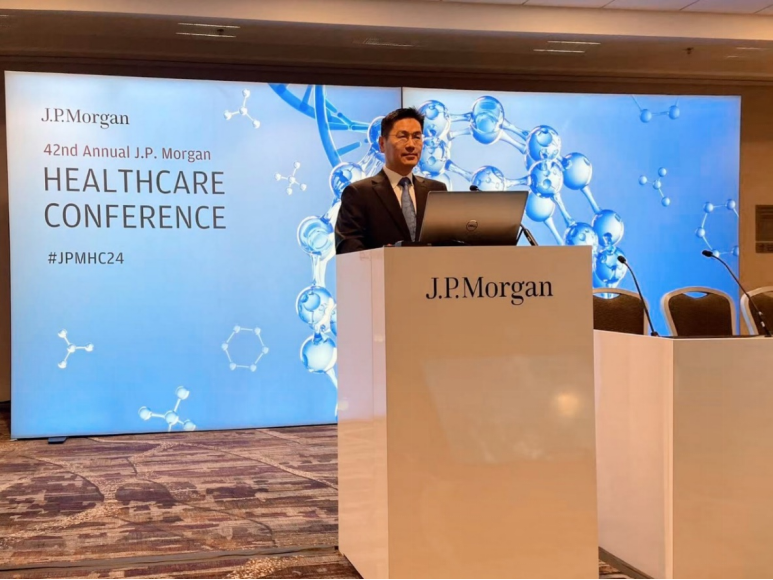
The 44th J.P. Morgan Healthcare Conference (JPMHC) will be held in San Francisco, California, USA, from January 12 to 15, 2026. Sichuan Kelun-Biotech Biopharmaceutical Co., Ltd. (“Kelun-Biotech” or the “Company”, 6990.HK) has been invited to attend the conference and Dr. Michael Ge, President and CEO of Kelun-Biotech, will share the company’s latest business progresses as well as its innovation capabilities and strategies.
Presentation Time: Thursday, January 15, 2026 at 9:30 AM Pacific Standard Time
Presentation Venue: Westin St. Francis, San Francisco, USA
J.P. Morgan Annual Healthcare Conference is honored as a “benchmark for development and investment in the global healthcare area”. During the conference, Kelun-Biotech will join massive seasoned experts and industry leaders to discuss cutting-edge trends in biopharmaceutical innovation. Based on the ongoing transformation moment of the global pharmaceutical industry, the company will actively pursue mutually beneficial partnership opportunities on the international stage.
You can visit “Investor Relations - Investor Calendar” page of Kelun-Biotech’s official website for participation of live webcast of presentation session, and watch replay within 30 days after the conference.
About Kelun-Biotech
Kelun-Biotech (6990.HK) is a holding subsidiary of Kelun Pharmaceutical (002422.SZ), which focuses on the R&D, manufacturing, commercialization and global collaboration of innovative biological drugs and small molecule drugs. Kelun-Biotech focuses on major disease areas such as solid tumors, autoimmune, and metabolic diseases, and in establishing a globalized drug development and industrialization platform to address the unmet medical needs in China and the rest of world. Kelun-Biotech is committed to becoming a leading global enterprise in the field of innovative drugs. At present, Kelun-Biotech has more than 30 ongoing key innovative drug projects, of which 4 projects have been approved for marketing, 1 project is in the NDA stage and more than 10 projects are in the clinical stage. Kelun-Biotech has established one of the world's leading proprietary ADC and novel DC platforms, OptiDC™, and has 2 ADC projects approved for marketing, and multiple ADC and novel DC assets in clinical or preclinical research stage. For more information, please visit https://en.kelun-biotech.com/.
2026-01-05
CHENGDU, China, Jan. 5, 2026 /PRNewswire/ -- Sichuan Kelun-Biotech Biopharmaceutical Co., Ltd. ("Kelun-Biotech" or the "Company", 6990.HK) announced that its Investigational New Drug (IND) application for SKB105 (also known as CR-003), an internally developed integrin beta-6 (ITGB6)-targeted antibody-drug conjugate (ADC), has been approved by the Center for Drug Evaluation (CDE) of the National Medical Products Administration (NMPA) of China for the treatment of advanced solid tumors.
In December 2025, Kelun-Biotech and Crescent Biopharma, Inc. ("Crescent") entered into a strategic collaboration for SKB105/CR-003 and SKB118 (a PD-1 x VEGF bispecific antibody, also known as CR-001). Under the collaboration, Kelun-Biotech granted Crescent exclusive rights to research, develop, manufacture and commercialize SKB105/CR-003 in the United States, Europe and all other markets outside of Greater China. In addition, Crescent granted Kelun-Biotech exclusive rights to research, develop, manufacture and commercialize SKB118/CR-001 in Greater China. The IND application for SKB118/CR-001 has been cleared by the U.S. Food and Drug Administration (FDA) with a global Phase I/II clinical trial for the treatment of advanced solid tumors is set to commence shortly. Kelun-Biotech plans to submit an IND application for SKB118/CR-001 to the Center for Drug Evaluation of the National Medical Products Administration of China in the near future.
About SKB105 (also known as CR-003)
SKB105 is a differentiated ADC targeting ITGB6 with a topoisomerase I inhibitor payload. ITGB6 is overexpressed in many solid tumors, but shows minimal to no expression in most normal tissues, thereby potentially reducing the risk of systemic toxicity and off-target effects. SKB105 incorporates proprietary Kthiol® irreversible conjugation technology, linking an anti-ITGB6 fully human Immunoglobulin G1 (IgG1) monoclonal antibody (mAb) to a clinically validated cleavable linker. This design aims to enhance stability and tumor-specific payload delivery while reducing adverse effects. In preclinical models, SKB105 demonstrated a favorable efficacy, safety, and pharmacokinetic (PK) profile.
About SKB118(also known as CR-001)
SKB118/CR-001 is a tetravalent bispecific antibody being developed for the treatment of solid tumors that combines two complementary, validated mechanisms in oncology via a blockade of PD-1 and VEGF. PD-1 checkpoint inhibition is aimed at restoring T cells' ability to recognize and destroy tumor cells, and blocking VEGF is intended for reducing blood supply to tumor cells and inhibiting tumor growth. In preclinical studies, SKB118/CR-001 demonstrated cooperative pharmacology with increased binding to PD-1 and signal blockade in the presence of VEGF as well as robust anti-tumor activity. SKB118/CR-001's anti-VEGF activity may also normalize the vasculature at the tumor site, which has the potential to improve the localization and effectiveness of combination therapies, particularly in conjunction with ADCs.
About Kelun-Biotech
Kelun-Biotech (6990.HK) is a holding subsidiary of Kelun Pharmaceutical (002422.SZ), which focuses on the R&D, manufacturing, commercialization and global collaboration of innovative biological drugs and small molecule drugs. Kelun-Biotech focuses on major disease areas such as solid tumors, autoimmune, inflammatory, and metabolic diseases, and in establishing a globalized drug development and industrialization platform to address the unmet medical needs in China and the rest of world. Kelun-Biotech is committed to becoming a leading global enterprise in the field of innovative drugs. At present, Kelun-Biotech has more than 30 ongoing key innovative drug projects, of which 4 projects have been approved for marketing, 1 project is in the NDA stage and more than 10 projects are in the clinical stage. Kelun-Biotech has established one of the world's leading proprietary ADC and novel DC platforms, OptiDC™, and has 2 ADC projects approved for marketing, and multiple ADC and novel DC assets in clinical or preclinical research stage. For more information, please visit https://en.kelun-biotech.com/.
2026-01-05
CHENGDU, China, January 5, 2026 -- Sichuan Kelun-Biotech Biopharmaceutical Co., Ltd. (“Kelun-Biotech” or the “Company,” 6990.HK) today announced that its TROP2-directed antibody-drug conjugate (ADC) sacituzumab tirumotecan (sac-TMT, also known as SKB264/MK-2870) (佳泰莱®) in combination with MSD’s anti-PD-1 monoclonal antibody pembrolizumab (KEYTRUDA®[1]) was granted Breakthrough Therapy Designation (BTD) by the Center for Drug Evaluation (CDE) of the National Medical Products Administration (NMPA) of China for the first-line treatment of patients with locally advanced or metastatic non-small cell lung cancer (NSCLC) who have PD-L1 tumor proportion score (TPS)≥1% and are EGFR-negative and ALK-negative.
BTD is granted for treatment regimens that provide effective treatment or prevention for conditions with no currently available therapy, or that demonstrate significant clinical advantages over currently available treatments. For drugs included in the breakthrough therapy process, if relevant conditions are met, applications for conditional approval and priority review and approval can be submitted when applying for marketing authorization.
Previously, the company announced that results from the Phase III clinical trial of OptiTROP-Lung05, evaluating sac-TMT in combination with pembrolizumab as first-line treatment for PD-L1-positive NSCLC, demonstrated a statistically significant and clinically meaningful improvement in its primary endpoint of progression-free survival (PFS). A positive trend was also observed in overall survival (OS). OptiTROP-Lung05 is the first Phase III study of an immunotherapy and ADC combination to meet its primary endpoint in the first-line treatment of NSCLC. Granting of BTD for the first-line treatment of PD-L1-positive NSCLC indication offers pathways to expedite the review and potential approval process of sac-TMT for this indication.
To date, sac-TMT has received five BTDs for:
locally advanced or metastatic triple-negative breast cancer (TNBC) in July 2022;
locally advanced or metastatic EGFR-mutant NSCLC after progression on EGFR-TKI therapy in January 2023;
locally advanced or metastatic hormone-receptor positive (HR+) and human epidermal growth factor receptor 2-negative (HER2-) breast cancer (BC) in patients who have previously received at least two lines of systemic chemotherapy in June 2023;
first-line treatment of unresectable locally advanced, recurrent or metastatic PD-L1 negative TNBC in March 2024;
In combination with anti-PD-L1 monoclonal antibody tagitanlimab for the first-line treatment of locally advanced or metastatic non-squamous NSCLC without actionable genomic alterations in June 2025.
About sac-TMT
Sac-TMT, a core product of the Company, is a novel human TROP2 ADC in which the Company has proprietary intellectual property rights, targeting advanced solid tumors such as NSCLC, BC, gastric cancer (GC), gynecological tumors, among others. Sac-TMT is developed with a novel linker to conjugate the payload, a belotecan-derivative topoisomerase I inhibitor with a drug-to-antibody-ratio (DAR) of 7.4. Sac-TMT specifically recognizes TROP2 on the surface of tumor cells by recombinant anti-TROP2 humanized monoclonal antibodies, which is then endocytosed by tumor cells and releases the payload KL610023 intracellularly. KL610023, as a topoisomerase I inhibitor, induces DNA damage to tumor cells, which in turn leads to cell-cycle arrest and apoptosis. In addition, it also releases KL610023 in the tumor microenvironment. Given that KL610023 is membrane permeable, it can enable a bystander effect, or in other words kill adjacent tumor cells.
In May 2022, the Company licensed the exclusive rights to MSD (the tradename of Merck & Co., Inc, Rahway, NJ, USA) to develop, use, manufacture and commercialize sac-TMT in all territories outside of Greater China (which includes Mainland China, Hong Kong, Macao and Taiwan).
To date, three indications for sac-TMT have been approved and marketed in China for: EGFR mutant-positive locally advanced or metastatic non-squamous NSCLC following progression on EGFR-TKI therapy and platinum-based chemotherapy; Unresectable locally advanced or metastatic TNBC who have received at least two prior systemic therapies (at least one of them for advanced or metastatic setting); EGFR mutant-positive locally advanced or metastatic non-squamous NSCLC who progressed after treatment with EGFR-TKI therapy. The first two indications listed above have been included in China's National Reimbursement Drug List (NRDL). This inclusion is expected to bring clinical benefits to a greater number of cancer patients.
Sac-TMT is the world's first TROP2 ADC drug approved for marketing in lung cancer. In addition, the sNDA for sac-TMT for second-line and above treatment of HR+/HER2- BC was accepted by the Center for Drug Evaluation of the National Medical Products Administration, and was included in the priority review and approval process.
As of today, Kelun-Biotech has initiated 9 registrational clinical studies in China. MSD has initiated 15 ongoing Phase 3 global clinical studies of sac-TMT as a monotherapy or with pembrolizumab or other anti-cancer agents for several types of cancer. These studies are sponsored and led by MSD.
About Kelun-Biotech
Kelun-Biotech (6990.HK) is a holding subsidiary of Kelun Pharmaceutical (002422.SZ), which focuses on the R&D, manufacturing, commercialization and global collaboration of innovative biological drugs and small molecule drugs. Kelun-Biotech focuses on major disease areas such as solid tumors, autoimmune, inflammatory, and metabolic diseases, and in establishing a globalized drug development and industrialization platform to address the unmet medical needs in China and the rest of world. Kelun-Biotech is committed to becoming a leading global enterprise in the field of innovative drugs. At present, Kelun-Biotech has more than 30 ongoing key innovative drug projects, of which 4 projects have been approved for marketing, 1 project is in the NDA stage and more than 10 projects are in the clinical stage. Kelun-Biotech has established one of the world's leading proprietary ADC and novel DC platforms, OptiDC™, and has 2 ADC projects approved for marketing, and multiple ADC and novel DC assets in clinical or preclinical research stage. For more information, please visit https://en.kelun-biotech.com/.
[1] KEYTRUDA® (pembrolizumab) is a registered trademark of Merck Sharp & Dohme LLC (MSD), a subsidiary of Merck & Co., Inc., Rahway, NJ, USA.
2025-12-04
Companies to advance CR-001, a PD-1 x VEGF bispecific antibody, and SKB105, an integrin beta-6-directed antibody-drug conjugate (ADC), in global markets and China
Collaboration designed to accelerate and expand the development of synergistic combinations with CR-001 and ADCs, including SKB105
CR-001 and SKB105 on track to enter Phase 1/2 monotherapy clinical trials in Q1 2026 with combination studies to follow
CHENGDU, China and WALTHAM, Mass., Dec. 4, 2025 /PRNewswire/ -- Sichuan Kelun-Biotech Biopharmaceutical Co., Ltd. ("Kelun-Biotech", 6990.HK), which focuses on the R&D, manufacturing, commercialization and global collaboration of innovative biological drugs and small molecule drugs, and Crescent Biopharma, Inc. ("Crescent") (Nasdaq: CBIO), a biotechnology company dedicated to rapidly advancing the next wave of therapies for cancer patients, today announced that the companies have entered into a strategic partnership to develop and commercialize oncology therapeutics, including novel combinations.
The partnership involves Crescent's CR-001, a PD-1 x VEGF bispecific antibody, and Kelun-Biotech's SKB105, an integrin beta-6 (ITGB6)-directed antibody-drug conjugate (ADC) with a topoisomerase payload. Both candidates are being developed for the treatment of solid tumors and are expected to enter Phase 1/2 monotherapy clinical trials in the first quarter of 2026.
Under the terms of the collaboration, Crescent has granted Kelun-Biotech exclusive rights to research, develop, manufacture and commercialize CR-001 in Greater China (including mainland China, Hong Kong, Macau and Taiwan). In addition, Kelun-Biotech has granted Crescent exclusive rights to research, develop, manufacture and commercialize SKB105 in the United States, Europe and all other markets outside of Greater China. The partnership includes the development of these candidates as monotherapies, and also the evaluation of CR-001 in combination with SKB105.Both Crescent and Kelun-Biotech have the right to independently develop CR-001 in additional combinations, including combinations of CR-001 with proprietary ADC pipeline assets.
Dr. Michael Ge, chief Executive officer of Kelun-Biotech, said, "We are pleased to have entered into a partnership with Crescent for two innovative assets, CR-001 and SKB105. This collaboration complements and strengthens our differentiated oncology pipeline by the addition of CR-001 and also enables us to advance the development of SKB105 in the global market, bolstering its potential commercial value and our global collaboration network. Our creative global partnership combines the capabilities of both companies to explore novel monotherapies and combination strategies for tumor treatments with SKB105 and CR-001. By leveraging China's abundant clinical resources and Execution efficiency, we aim to expedite clinical development while rigorously maintaining the highest global standards. We believe this partnership creates a powerful synergy to maximize the potential of these two drug candidates for the treatment of patients in both China and the rest of the world."
"We are thrilled to be partnering with Kelun-Biotech, an established leader in the development and commercialization of ADCs who shares our commitment to bringing next generation therapeutics that can improve outcomes for people living with cancer," said Joshua Brumm, chief Executive officer of Crescent. "This collaboration expands our pipeline with the addition of SKB105, furthers our strategy of advancing multiple modalities across our portfolio, and accelerates our efforts to deliver synergistic combinations with CR-001, which has the potential to be a foundational backbone therapy. We look forward to working with Kelun-Biotech to drive innovative therapeutics with the potential to address multiple tumor types and transform cancer care."
Under the collaboration, Kelun-Biotech will receive an upfront payment of US$80 million from Crescent and is also eligible to receive additional milestones of up to US$1.25 billion, plus tiered middle single-digit to low double-digit royalties on net sales of SKB105. Kelun-Biotech is also eligible to receive additional payment from Crescent if Crescent undergoes a near-term change of control or enters into a sublicense agreement with a third party. Crescent will receive an upfront payment of US$20 million from Kelun-Biotech and is also eligible to receive additional milestones of up to US$30 million, plus tiered low to middle single digit royalties on net sales of CR-001.
About CR-001 (also known as SKB118)
CR-001 is a tetravalent bispecific antibody being developed for the treatment of solid tumors that combines two complementary, validated mechanisms in oncology via a blockade of PD-1 and VEGF. PD-1 checkpoint inhibition is aimed at restoring T cells' ability to recognize and destroy tumor cells, and blocking VEGF is intended for reducing blood supply to tumor cells and inhibiting tumor growth. In preclinical studies, CR-001 demonstrated cooperative pharmacology with increased binding to PD-1 and signal blockade in the presence of VEGF as well as robust anti-tumor activity. CR-001's anti-VEGF activity may also normalize the vasculature at the tumor site, which has the potential to improve the localization and effectiveness of combination therapies, such as the administration of CR-001 with antibody-drug conjugates (ADCs). A global Phase 1/2 trial of CR-001 in patients with solid tumors is anticipated to commence in the first quarter of 2026.
About SKB105 (also known as CR-003)
SKB105 is a differentiated ADC targeting integrin beta-6 (ITGB6) with a topoisomerase 1 inhibitor payload. ITGB6 is overexpressed in many solid tumors, but shows minimal to no expression in most normal tissues, thereby potentially reducing the risk of systemic toxicity and off-target effects. SKB105 consists of an anti-ITGB6 fully human IgG1 monoclonal antibody conjugated via a stable, clinically validated cleavable linker. The molecule incorporates proprietary Kthiol® irreversible conjugation technology, designed to enhance stability and tumor-specific payload delivery while reducing adverse effects. SKB105 demonstrated a favorable efficacy, safety, and pharmacokinetic (PK) profile in preclinical models. A Phase 1/2 clinical trial of SKB105 in patients with solid tumors is anticipated to commence in the first quarter of 2026.
About Kelun-Biotech
Kelun-Biotech (6990.HK) is a holding subsidiary of Kelun Pharmaceutical (002422.SZ), which focuses on the R&D, manufacturing, commercialization and global collaboration of innovative biological drugs and small molecule drugs. Kelun-Biotech focuses on major disease areas such as solid tumors, autoimmune, inflammatory, and metabolic diseases, and in establishing a globalized drug development and industrialization platform to address the unmet medical needs in China and the rest of world. Kelun-Biotech is committed to becoming a leading global enterprise in the field of innovative drugs. At present, Kelun-Biotech has more than 30 ongoing key innovative drug projects, of which 4 projects have been approved for marketing, 1 project is in the NDA stage and more than 10 projects are in the clinical stage. Kelun-Biotech has established one of the world's leading proprietary ADC and novel DC platforms, OptiDC™, and has 2 ADC projects approved for marketing, and multiple ADC and novel DC assets in clinical or preclinical research stage. For more information, please visit https://en.kelun-biotech.com/.
About Crescent Biopharma
Crescent Biopharma's vision is to build a world leading oncology company bringing the next wave of therapies for cancer patients. Crescent 's pipeline includes its lead program, a PD-1 x VEGF bispecific antibody, as well as novel antibody-drug conjugates (ADCs). By leveraging multiple modalities and established targets, Crescent aims to rapidly advance potentially transformative therapies either as single agents or as part of combination regimens to treat a range of solid tumors. For more information, visit www.crescentbiopharma.com and follow Crescent on LinkedIn and X.
2025-10-20
After a median follow-up of 18.9 months, the median PFS was 8.3 months in the sac-TMT group and 4.3 months in the chemotherapy group (hazard ratio (HR), 0.49; 95% confidence interval (CI), 0.39 to 0.62; two-sided P<0.0001).
OS was significantly longer with sac-TMT than with chemotherapy (HR, 0.60; 95% CI, 0.44 to 0.82; two-sided P=0.001); 18-month OS rate was 65.8% and 48.0%, respectively. In the supplementary analysis, in which data were censored at the start date of subsequent ADC, the HR was 0.56 (95% CI, 0.41 to 0.77).
Sac-TMT was associated with a higher incidence of stomatitis with most cases being mild and with grade 3 or higher cases reported in very few patients (4.8%; all were grade 3). Low incidence of ocular-surface toxic effects, no ILD or pneumonitis, and one infusion-related reaction (grade 2) was reported in the sac-TMT group.
On October 20, results from the Phase III registrational clinical study OptiTROP-Lung04—led by Professor Zhang Li's team from Sun Yat-sen University Cancer Center—were published in the New England Journal of Medicine (Impact Factor = 78.5). The study evaluated the efficacy and safety of the TROP2 antibody-drug conjugate (ADC) sacituzumab tirumotecan (sac-TMT) monotherapy versus pemetrexed plus platinum chemotherapy for the treatment of patients with epidermal growth factor receptor (EGFR)-mutant locally advanced or metastatic non-squamous non-small cell lung cancer (NSCLC) who have progressed failed after treatment with EGFR-tyrosine kinase inhibitor (TKI) therapy. The study was also selected as a Late-Breaking Abstract (LBA) at the 2025 European Society for Medical Oncology (ESMO) Congress and was presented as an oral report in the Presidential Symposium (Presentation # LBA5).
OptiTROP-Lung04 is a randomized, open-label, multicenter Phase III study designed to evaluate the efficacy and safety of sac-TMT monotherapy versus pemetrexed plus platinum in patients with EGFR-mutated locally advanced or metastatic NSCLC who had progressed on prior EGFR-TKI therapy. Eligible patients were those with histologically and/or cytologically confirmed disease. The primary endpoint was Progression-Free Survival (PFS) assessed by a Blinded Independent Review Committee (BIRC) per RECIST v1.1, and the key secondary endpoint was overall survival (OS). Results showed that compared with platinum-based doublet chemotherapy, sac-TMT monotherapy demonstrated a statistically significant and clinically meaningful improvement in both PFS and OS. Consistent PFS and OS benefits were observed across all prespecified subgroups, including prior EGFR-TKI therapy, presence of liver or brain metastases, and EGFR mutation subtype.
Based on the positive results of the OptiTROP-Lung04 study, sac-TMT has been approved by the National Medical Products Administration (NMPA) in China for the treatment of adult patients with EGFR mutation-positive locally advanced or metastatic non-squamous NSCLC who have progressed after EGFR-TKI therapy. To date, sac-TMT monotherapy remains the only approved treatment option for advanced EGFR-mutant NSCLC patients who have progressed after prior TKI therapy, as well as those who have progressed after prior TKI and platinum-based chemotherapy (either concurrently or sequentially). This achievement provides comprehensive coverage for the entire population of TKI-resistant patients.
Dr. Michael Ge, Chief Executive Officer of Kelun-Biotech, commented: “OptiTROP-Lung04 is a key study that propels sac-TMT from late-line to an earlier-line treatment-setting in lung cancer, achieving a significant improvement in overall survival. We are thrilled that the results have been published in The New England Journal of Medicine, allowing this important finding to be shared widely among medical professionals and providing a reference for future lung cancer research. Together with our partner MSD, we will continue to advance sac-TMT’s clinical development and regulatory approvals, covering broader lung cancer and other indications, with the goal of making sac-TMT a cornerstone therapy for the benefit of patients.”
Professor Shengxiang Ren from the Department of Oncology at Shanghai Pulmonary Hospital, Tongji University, stated: “The application of third-generation EGFR-TKIs has significantly improved the overall prognosis for patients with advanced EGFR-mutant NSCLC. However, drug resistance is almost inevitable. Traditional treatment after resistance involves platinum-based doublet chemotherapy, which offers limited overall benefit. In recent years, regimens of chemotherapy plus immune checkpoint inhibitors+anti-angiogenic agents, or EGFR/c-Met bsAb, or PD-1/VEGF bsAb, have been successively approved for this indication. However, all these approaches are chemotherapy-based, highlighting an urgent need to explore novel treatment regimens. The OptiTROP-Lung04 study confirms sac-TMT as the first treatment option as a monotherapy to deliver clear dual benefits in both PFS and OS following EGFR-TKI progression. The sequential application of sac-TMT prior to chemotherapy demonstrates strong competence, establishing itself as a new standard of care for patients with advanced EGFR-mutant lung cancer after TKI resistance.”
About Sac-TMT
Sac-TMT, a core product of the Company, is a novel human TROP2 ADC in which the Company has proprietary intellectual property rights, targeting advanced solid tumors such as NSCLC, breast cancer (BC), gastric cancer (GC), gynecological tumors, among others. Sac-TMT is developed with a novel linker to conjugate the payload, a belotecan-derivative topoisomerase I inhibitor with a drug-to-antibody-ratio (DAR) of 7.4. Sac-TMT specifically recognizes TROP2 on the surface of tumor cells by recombinant anti-TROP2 humanized monoclonal antibodies, which is then endocytosed by tumor cells and releases the payload KL610023 intracellularly. KL610023, as a topoisomerase I inhibitor, induces DNA damage to tumor cells, which in turn leads to cell-cycle arrest and apoptosis. In addition, it also releases KL610023 in the tumor microenvironment. Given that KL610023 is membrane permeable, it can enable a bystander effect, or in other words kill adjacent tumor cells.
In May 2022, the Company licensed the exclusive rights to MSD (the tradename of Merck & Co., Inc., Rahway, NJ, USA) to develop, use, manufacture and commercialize sac-TMT in all territories outside of Greater China (includes Mainland China, Hong Kong, Macau, and Taiwan).
To date, three indications for sac-TMT have been approved and marketed in China for the treatment of adult patients with unresectable locally advanced or metastatic triple negative breast cancer (TNBC) who have received at least two prior systemic therapies (at least one of them for advanced or metastatic setting), EGFR mutation-positive locally advanced or metastatic non-squamous NSCLC following progression on EGFR-TKI therapy and platinum-based chemotherapy and EGFR mutant-positive locally advanced or metastatic non-squamous NSCLC who progressed after treatment with EGFR-TKI therapy. Sac-TMT is the first TROP2 ADC drug approved for marketing in lung cancer globally. In addition, the new indication application for sac-TMT for the treatment of adult patients with unresectable locally advanced, metastatic hormone receptor positive (HR+) and human epidermal growth factor receptor 2-negative (HER2-) BC who have received prior endocrine therapy and other systemic treatments in the advanced or metastatic setting was accepted by the Center for Drug Evaluation of the NMPA, and was included in the priority review and approval process.
As of today, the Company has initiated 9 registrational clinical studies in China. MSD has initiated 15 ongoing Phase Ⅲ global clinical studies of sac-TMT as a monotherapy or with pembrolizumab1 or other anti-cancer agents for several types of cancer. These studies are sponsored and led by MSD.
About Kelun-Biotech
Kelun-Biotech (6990.HK) is a holding subsidiary of Kelun Pharmaceutical (002422.SZ), which focuses on the R&D, manufacturing, commercialization and global collaboration of innovative biological drugs and small molecule drugs. The company focuses on major disease areas such as solid tumors, autoimmune, inflammatory, and metabolic diseases, and in establishing a globalized drug development and industrialization platform to address the unmet medical needs in China and the rest of world. The Company is committed to becoming a leading global enterprise in the field of innovative drugs. At present, the Company has more than 30 ongoing key innovative drug projects, of which 4 projects have been approved for marketing, 1 project is in the NDA stage and more than 10 projects are in the clinical stage. The company has established one of the world's leading proprietary ADC and novel DC platforms, OptiDC™, and has 2 ADC projects approved for marketing, and multiple ADC and novel DC assets in clinical or preclinical research stage. For more information, please visit https://kelun-biotech.com/.
References:
1. Pembrolizumab (KEYTRUDA®) is a registered trademark of Merck Sharp & Dohme LLC (MSD), a subsidiary of Merck & Co., Inc., Rahway, NJ, USA.
2025-10-19
CHENGDU, China, Oct, 18 , 2025——Sichuan Kelun-Biotech Biopharmaceutical Co., Ltd. (the “Company”) announced that at the 2025 European Society for Medical Oncology (ESMO) Congress held in Berlin, Germany, Results from a Phase 3 study of the Company’s human epidermal growth factor receptor 2 (HER2)-directed ADC trastuzumab botidotin (also known as A166) trastuzumab botidotin versus trastuzumab emtansine (T-DM1) in HER2-positive unresectable or metastatic BC was presented as an oral report by Professor Xichun Hu from Fudan University Shanghai Cancer Center (Presentation # LBA24, Proffered paper session 1: Breast cancer, metastatic).
Trastuzumab botidotin is a HER2-targeted ADC composed of a cytotoxic drug (Duostatin-5, anti-microtubule agent) with site-specific conjugation to trastuzumab via a stable protease-cleavable valine-citrulline linker. The unique linker is stable in plasma and selectively cleaved by lysosomal cathepsin B that is up-regulated in cancer cells.
In this study, a total of 365 patients with HER2+ unresectable or metastatic BC who had received at least one prior anti-HER2 therapy were randomized (1:1) to receive trastuzumab botidotin or T-DM1. 53% of patients had received ≥2 lines of anti-HER2 therapy, 61% of patients had HER2 Immunohistochemistry (IHC) 3+, and 60% of patients had been treated with TKIs, particularly pyrotinib (56%). As of April 26, 2025, median follow-up was 14.9 months.
Median PFS was significantly longer in trastuzumab botidotin than in T-DM1 (11.1 months vs 4.4 months; HR: 0.39, 95% CI, 0.30-0.51, p<0.0001). PFS benefit with trastuzumab botidotin was consistently observed regardless of prior lines of anti-HER2 therapy (HR 0.36, 95% CI, 0.25-0.53, for 1 prior line; HR 0.39, 95% CI, 0.28-0.56, for ≥2 prior lines).
ORR by blinded independent central review (BICR) was 76.9% vs 53.0%.
A trend toward benefit in OS was observed in trastuzumab botidotin (HR 0.62; 95% CI, 0.38-1.03).
Grade ≥3 treatment emergent adverse events (TEAEs) occurred in 69.8% of patients in trastuzumab botidotin and 63.7% in T-DM1. The most common TEAEs associated with dose reduction were ocular AEs for trastuzumab botidotin, and were platelet count decreased for trastuzumab emtansine. Only two patients permanently discontinued trastuzumab botidotin due to TEAE. No on-treatment deaths were observed in trastuzumab botidotin, compared with 1.6% in T-DM1, all of which were considered unrelated to treatment.
As a conclusion, this second head-to-head trial comparing T-DM1 with other anti-HER2 regimens demonstrated that trastuzumab botidotin statistically improved PFS with an ORR of 76.9% vs 53.0%. PFS benefit with trastuzumab botidotin was consistently observed regardless of prior lines of anti-HER2 therapy. Ocular AEs were also manageable.
"Professor Xichun Hu, National Lead Principal Investigator from Fudan University Shanghai Cancer Center:“Trastuzumab botidotin effectively balances safety and efficacy through its unique molecular design, reducing the incidence of interstitial lung disease and hematologic toxicity. According to research data, trastuzumab botidotin demonstrated significant survival benefits in the pivotal Phase III trial, with an overall manageable safety profile, providing a new important treatment option for pretreated HER2+ BC patients. These positive results also offer robust evidence-based support for personalized treatment and updates to clinical practice guidelines.”
About Trastuzumab botidotin
Trastuzumab botidotin is a differentiated HER2 ADC to treat advanced HER2+ solid tumors. As an innovative HER2 ADC developed by the Company, it conjugates a novel, monomethyl auristatin F (MMAF) derivative (a highly cytotoxic tubulin inhibitor, Duo-5) via a stable, enzyme-cleavable linker to a HER2 monoclonal antibody with a DAR of 2. Trastuzumab botidotin specifically binds to HER2 on the surface of tumor cells and is internalized by tumor cells, releasing the toxin molecule Duo-5 inside the cell. Duo-5 induces tumor cell cycle arrest in the G2/M phase, leading to tumor cell apoptosis. After targeting HER2, trastuzumab botidotin can also inhibit the HER2 signaling pathway; it has antibody-dependent cell-mediated cytotoxicity (ADCC) activity.
Based on the results of a multi-center, randomized, open-label, controlled, Phase 3 KL166-III-06 study, trastuzumab botidotin was approved for marketing by the NMPA in for adult patients with unresectable or metastatic HER2 positive BC who have received one or more prior anti-HER2 therapy. At a pre-specified interim analysis, trastuzumab botidotin demonstrated a statistically significant and clinically meaningful improvement in the primary endpoint of PFS as assessed by the BICR compared with T-DM1[; the beneficial trend for OS of trastuzumab botidotin was also observed.
Currently, the Company has initiated an open, multi-center Phase 2 clinical study of trastuzumab botidotin in the treatment of HER2+ unresectable or metastatic BC that previously received a topoisomerase inhibitor ADC.
About Kelun-Biotech
Kelun-Biotech (6990.HK) is a holding subsidiary of Kelun Pharmaceutical (002422.SZ), which focuses on the R&D, manufacturing, commercialization and global collaboration of innovative biological drugs and small molecule drugs. The company focuses on major disease areas such as solid tumors, autoimmune, inflammatory, and metabolic diseases, and in establishing a globalized drug development and industrialization platform to address the unmet medical needs in China and the rest of world. The Company is committed to becoming a leading global enterprise in the field of innovative drugs. At present, the Company has more than 30 ongoing key innovative drug projects, of which 4 projects have been approved for marketing, 1 projects are in the NDA stage and more than 10 projects are in the clinical stage. The company has established one of the world's leading proprietary ADC and novel DC platforms, OptiDC™, and has 1 ADC project approved for marketing and multiple ADC and novel DC assets in clinical or preclinical research stage. For more information, please visit https://kelun-biotech.com/.
2025-10-18
CHENGDU, China, Oct, 19, 2025——Sichuan Kelun-Biotech Biopharmaceutical Co., Ltd. (the “Company”) announced that at the 2025 European Society for Medical Oncology (ESMO) Congress held in Berlin, Germany, results from a Phase 3 OptiTROP-Lung04 trial of the Company’s trophoblast cell-surface antigen 2 (TROP2)-directed antibody-drug conjugate (ADC) sacituzumab tirumotecan (sac-TMT) in EGFR-mutated non-small cell lung cancer (NSCLC) following progression on epidermal growth factor receptor-tyrosine kinase inhibitors (EGFR-TKIs) was presented as an oral report by Professor Li Zhang from Sun Yat-sen University Cancer Center (Presentation # LBA5, Presidential Symposium II) and were simultaneously published in the New England Journal of Medicine (Impact Factor = 78.5).
In the OptiTROP-Lung04 trial, a total of 376 patients were randomized (1:1) to receive sac-TMT monotherapy or chemotherapy.
As at the data cut-off date July 06, 2025, the median follow-up is 18.9 months. the median Progression-Free Survival (PFS) was 8.3 months in the sac-TMT group and 4.3 months in the chemotherapy group. Sac-TMT significantly improved PFS over chemotherapy with 51% lower risk of disease progression or death (hazard ratio (HR) 0.49; 95% confidence interval (CI), 0.39-0.62; P<0.0001).
At the preplanned interim analysis of overall survival (OS), the OS was not reached (NR) in the sac-TMT group and 17.4 months in the chemotherapy group. sac-TMT significantly improved OS over chemotherapy with 40% lower risk of death (hazard ratio (HR) 0.6; 95% CI: 0.44-0.82; two-sided P=0.001). In the supplemental analysis, when censoring patients at the date of initiation of subsequent ADCs, sac-TMT significantly improved OS over chemotherapy with 44% lower risk of death (HR, 0.56; 95% CI, 0.41 - 0.77).
Sac-TMT significantly improved ORR as compared to chemotherapy (60.6% vs 43.1%)
A consistent PFS and OS benefit of sac-TMT over chemotherapy was observed across all predefined subgroups, including prior EGFR-TKI therapy, presence of liver or brain metastases, and EGFR mutation subtype.
The incidence of any grade treatment-related adverse events (TRAEs) and grade ≥3 TRAEs was similar between the two groups. The most common TRAEs for both sac-TMT and chemotherapy were hematologic toxicities. No TRAEs led to discontinuation or death, and no cases of interstitial lung disease/pneumonitis were reported in the sac-TMT group. Ocular surface toxicity: occurred in 9.6% of patients in the sac-TMT group, all of which were grade 1 - 2.
As a conclusion, sac-TMT demonstrates highly statistically significant and clinically meaningful improvements in PFS and OS compared to platinum-based chemotherapy and showed a manageable safety profile, with no unexpected safety signals identified. Several global phase 3 studies of sac-TMT monotherapy (NCT06305754, NCT06074588) and combination study with osimertinib in China (NCT06670196) in EGFR-mutant NSCLC are ongoing.
Professor Zhang Li, National Lead Principal Investigator from Sun Yat-sen University Cancer Center, commented: "Compared to platinum-based doublet chemotherapy, sac-TMT not only significantly prolonged PFS but also demonstrated a statistically significant and clinically meaningful improvement in OS within this patient population. This achievement marks a major breakthrough in global lung cancer treatment—sac-TMT, as a monotherapy, demonstrated statistically significant and clinically meaningful improvements in both PFS and OS in the Phase III trial for patients with EGFR-TKI-resistant NSCLC. This study provides highly valuable, new evidence-based guidance for lung cancer management worldwide and has the potential to reshape the therapeutic landscape for EGFR-TKI-resistant NSCLC "
About sac-TMT
Sac-TMT, a core product of the Company, is a novel human TROP2 ADC in which the Company has proprietary intellectual property rights, targeting advanced solid tumors such as NSCLC, BC, GC, gynecological tumors, among others. Sac-TMT is developed with a novel linker to conjugate the payload, a belotecan-derivative topoisomerase I inhibitor with a drug-to-antibody-ratio (DAR) of 7.4. Sac-TMT specifically recognizes TROP2 on the surface of tumor cells by recombinant anti-TROP2 humanized monoclonal antibodies, which is then endocytosed by tumor cells and releases the payload KL610023 intracellularly. KL610023, as a topoisomerase I inhibitor, induces DNA damage to tumor cells, which in turn leads to cell-cycle arrest and apoptosis. In addition, it also releases KL610023 in the tumor microenvironment. Given that KL610023 is membrane permeable, it can enable a bystander effect, or in other words kill adjacent tumor cells.
In May 2022, the Company licensed the exclusive rights to MSD (the tradename of Merck & Co., Inc, Rahway, NJ, USA) to develop, use, manufacture and commercialize sac-TMT in all territories outside of Greater China (which includes Mainland China, Hong Kong, Macao and Taiwan).
To date, three indications for sac-TMT have been approved and marketed in China for the treatment of adult patients with unresectable locally advanced or metastatic triple negative breast cancer (TNBC) who have received at least two prior systemic therapies (at least one of them for advanced or metastatic setting), EGFR mutation-positive locally advanced or metastatic non-squamous NSCLC following progression on EGFR-TKI therapy and platinum-based chemotherapy and EGFR mutant-positive locally advanced or metastatic non-squamous NSCLC who progressed after treatment with EGFR-TKI therapy. Sac-TMT is the first TROP2 ADC drug approved for marketing in lung cancer globally. In addition, the new indication applications for sac-TMT for the treatment of adult patients with unresectable locally advanced, metastatic HR+/HER2- BC who have received prior endocrine therapy and other systemic treatments in the advanced or metastatic setting was accepted by the Center for Drug Evaluation (CDE) of the National Medical Products Administration (NMPA), and was included in the priority review and approval process.
As of today, the Company has initiated 9 registrational clinical studies in China. MSD has initiated 15 ongoing Phase 3 global clinical studies of sac-TMT as a monotherapy or with pembrolizumab or other anti-cancer agents for several types of cancer. These studies are sponsored and led by MSD.
About Kelun-Biotech
Kelun-Biotech (6990.HK) is a holding subsidiary of Kelun Pharmaceutical (002422.SZ), which focuses on the R&D, manufacturing, commercialization and global collaboration of innovative biological drugs and small molecule drugs. The company focuses on major disease areas such as solid tumors, autoimmune, inflammatory, and metabolic diseases, and in establishing a globalized drug development and industrialization platform to address the unmet medical needs in China and the rest of world. The Company is committed to becoming a leading global enterprise in the field of innovative drugs. At present, the Company has more than 30 ongoing key innovative drug projects, of which 4 projects have been approved for marketing, 1 project is in the NDA stage and more than 10 projects are in the clinical stage. The company has established one of the world's leading proprietary ADC and novel DC platforms, OptiDC™, and has 2 ADC project approved for marketing and multiple ADC and novel DC assets in clinical or preclinical research stage. For more information, please visit https://kelun-biotech.com/.
2025-10-18
CHENGDU, China, Oct, 18 , 2025——Sichuan Kelun-Biotech Biopharmaceutical Co., Ltd. (the “Company”) announced that at the 2025 European Society for Medical Oncology (ESMO) Congress held in Berlin, Germany, results from a Phase 3 OptiTROP-Breast02 study of the Company’s trophoblast cell-surface antigen 2 (TROP2)-directed antibody-drug conjugate (ADC) sacituzumab tirumotecan (sac-TMT) (佳泰莱®) in previously treated locally advanced or metastatic hormone receptor-positive (HR+) and human epidermal growth factor receptor 2 -negative (HER2-) breast cancer (BC) was presented as an oral report by Professor Man Li from the Second Affiliated Hospital of Dalian Medical University (Presentation # LBA23, Proffered paper session 1: Breast cancer, metastatic). Previously, the new indication applications for sac-TMT for this indication was accepted by the National Medical Products Administration (NMPA) and was included in the priority review and approval process.
In the OptiTROP-Breast02 study, a total of 399 patients with HR+/HER2- BC who had progression on CDK4/6 inhibitors and received at least one prior line of chemotherapy in the advanced/metastatic setting were randomized (1:1) to receive sac-TMT or investigator's choice of chemotherapy (ICC).
As at the data cut-off date January 22, 2025, the median PFS was significantly longer in sac-TMT than in ICC (8.3 vs. 4.1 months; HR, 0.35; 95% CI, 0.26-0.48; P<0.0001). Clinical benefit was seen in sac-TMT independent of HER2 expression (HR for PFS in HER2-zero: 0.39, 95% CI, 0.26-0.57; in HER2-low: 0.31, 95% CI, 0.20-0.48).
Sac-TMT showed longer DoR versus chemotherapy; and ORR was also superior with sac-TMT to ICC.
There was a trend in OS that favored sac-TMT over ICC (HR, 0.33; 95% CI, 0.18-0.61).
Grade ≥ 3 TRAEs occurred in 62.0% and 64.8% of patients in sac-TMT and ICC. TRAE led to discontinuation in 0% and 0.5% of patients; pneumonitis occurred in 1.5% and 1.0% of patients (all grade 1-2) in sac-TMT and ICC, respectively.
As a conclusion, sac-TMT demonstrated statistically significant and clinically meaningful improvement in PFS compared to chemotherapy. PFS benefit was observed across all predefined subgroups and independent of HER2 status. Sac-TMT also showed a trend toward OS benefit (HR, 0.33; 95% CI, 0.18, 0.61) and demonstrated a favorable and manageable safety profile, with no new safety signals. Currently, a Phase III clinical study of sacituzumab tirumotecan as monotherapy and in combination with pembrolizumab in patients with chemotherapy-naïve HR+/HER2- breast cancer is ongoing globally, with a planned enrollment of approximately 1,200 participants. Additionally, another Phase III registrational study in the same population is currently enrolling patients in China, with a planned enrollment of 430 participants.
Professor Man Li from the Second Affiliated Hospital of Dalian Medical University, stated:“The Phase III OptiTROP-Breast02 study confirmed that, regardless of HER2 expression status, sac-TMT demonstrated promising efficacy in previously treated HR+/HER2- BC patients. As the first Phase III clinical trial focusing exclusively on an all-Chinese population with HR+/HER2- BC, the presentation of the OptiTROP-Breast02 study data at ESMO marks a significant breakthrough in clinical research in this indications in China. The positive outcomes of this study not only provide evidence-based support for the treatment of HR+/HER2- BC but also offer a safe and reliable new treatment option for breast cancer patients.”
About sac-TMT (佳泰莱®)
Sac-TMT, a core product of the Company, is a novel human TROP2 ADC in which the Company has proprietary intellectual property rights, targeting advanced solid tumors such as NSCLC, BC, GC, gynecological tumors, among others. Sac-TMT is developed with a novel linker to conjugate the payload, a belotecan-derivative topoisomerase I inhibitor with a drug-to-antibody-ratio (DAR) of 7.4. Sac-TMT specifically recognizes TROP2 on the surface of tumor cells by recombinant anti-TROP2 humanized monoclonal antibodies, which is then endocytosed by tumor cells and releases the payload KL610023 intracellularly. KL610023, as a topoisomerase I inhibitor, induces DNA damage to tumor cells, which in turn leads to cell-cycle arrest and apoptosis. In addition, it also releases KL610023 in the tumor microenvironment. Given that KL610023 is membrane permeable, it can enable a bystander effect, or in other words kill adjacent tumor cells.
In May 2022, the Company licensed the exclusive rights to MSD (the tradename of Merck & Co., Inc, Rahway, NJ, USA) to develop, use, manufacture and commercialize sac-TMT in all territories outside of Greater China (which includes Mainland China, Hong Kong, Macao and Taiwan).
To date, three indications for sac-TMT have been approved and marketed in China for the treatment of adult patients with unresectable locally advanced or metastatic triple negative breast cancer (TNBC) who have received at least two prior systemic therapies (at least one of them for advanced or metastatic setting), EGFR mutation-positive locally advanced or metastatic non-squamous NSCLC following progression on EGFR-TKI therapy and platinum-based chemotherapy and EGFR mutant-positive locally advanced or metastatic non-squamous NSCLC who progressed after treatment with EGFR-TKI therapy. Sac-TMT is the first TROP2 ADC drug approved for marketing in lung cancer globally. In addition, the new indication applications for sac-TMT for the treatment of adult patients with unresectable locally advanced, metastatic HR+/HER2- BC who have received prior endocrine therapy and other systemic treatments in the advanced or metastatic setting was accepted by the Center for Drug Evaluation (CDE) of the National Medical Products Administration (NMPA), and was included in the priority review and approval process.
As of today, the Company has initiated 9 registrational clinical studies in China. MSD has initiated 15 ongoing Phase 3 global clinical studies of sac-TMT as a monotherapy or with pembrolizumab or other anti-cancer agents for several types of cancer. These studies are sponsored and led by MSD.
About Kelun-Biotech
Kelun-Biotech (6990.HK) is a holding subsidiary of Kelun Pharmaceutical (002422.SZ), which focuses on the R&D, manufacturing, commercialization and global collaboration of innovative biological drugs and small molecule drugs. The company focuses on major disease areas such as solid tumors, autoimmune, inflammatory, and metabolic diseases, and in establishing a globalized drug development and industrialization platform to address the unmet medical needs in China and the rest of world. The Company is committed to becoming a leading global enterprise in the field of innovative drugs. At present, the Company has more than 30 ongoing key innovative drug projects, of which 4 projects have been approved for marketing, 1 project is in the NDA stage and more than 10 projects are in the clinical stage. The company has established one of the world's leading proprietary ADC and novel DC platforms, OptiDC™, and has 2 ADC project approved for marketing and multiple ADC and novel DC assets in clinical or preclinical research stage. For more information, please visit https://kelun-biotech.com/.
2025-08-19
Sichuan Kelun-Biotech Biopharmaceutical Co., Ltd. ("Kelun-Biotech", HKEX: 6990) announced that clinical data from a Phase II study evaluating novel TROP2 antibody-drug conjugate (ADC) sacituzumab tirumotecan (sac-TMT) in combination with PD-L1 monoclonal antibody (mAb) tagitanlimab for the first-line treatment of advanced or metastatic non-small cell lung cancer (NSCLC) have been published in Nature Medicine (Impact Factor: 58.7).
The publication highlighted initial findings from the Phase II OptiTROP-Lung01 study, evaluating the efficacy and safety results of sac-TMT in combination with tagitanlimab as a first-line treatment of advanced or metastatic NSCLC patients without actionable genomic alterations. The study was led by Prof. Zhang Li's team at the Center for Cancer Prevention and Control, Sun Yat-sen University, China. Patients in Cohort 1A received sac-TMT (5 mg/kg, Q3W) plus tagitanlimab (1200 mg, Q3W) in a three-week cycle, while patients in Cohort 1B were treated with sac-TMT (5 mg/kg, Q2W) plus tagitanlimab (900 mg, Q2W) in a four-week cycle. Patients received sac-TMT in combination with tagitanlimab in a non-randomized manner until disease progression or unacceptable toxicity. Median follow-ups for Cohort 1A and Cohort 1B were 19.3 months and 13.0 months, respectively (Data cutoff date: May 27, 2024).
The study results demonstrated promising anti-tumor activity, and manageable safety of sac-TMT in combination with tagitanlimab as a first-line treatment for advanced or metastatic NSCLC patients. A total of 40 patients in Cohort 1A and 63 patients in Cohort 1B were included in the full analysis set (FAS) for efficacy assessment. In Cohort 1A and Cohort 1B, respectively, the confirmed objective response rates (ORRs) were 40.0% (95% CI: 24.9–56.7) and 66.7% (95% CI: 53.7–78.0), and the ORRs were:
44.4% and 64.7% among patients with non-squamous carcinoma, 36.4% and 69.0% with squamous carcinoma;
41.7% and 57.1% among patients with PD-L1 tumor proportion score (TPS)<1%;
38.5% and 63.2% for TPS 1–49%;
40.0% and 78.3% for TPS ≥50%.
The median progression-free survival (mPFS) for Cohort 1A was 15.4 months (95% CI: 6.7–17.9) and not reached (95% CI: 9.6–NE) for Cohort 1B.
The most common grade ≥3 treatment-related adverse events (TRAEs) for both Cohorts 1A and 1B were decreased neutrophil count, decreased white blood cell count and anemia. No treatment-related deaths were observed.
Subgroup analyses showed consistent efficacy across PD-L1 and TROP2 expression levels, as well as in both squamous and non-squamous histological subtypes.
Dr. Michael Ge, CEO of Kelun-Biotech, commented: "The OptiTROP-Lung01 study supports the promising efficacy and safety of sacituzumab tirumotecan in combination with tagitanlimab as a first-line treatment for patients with advanced NSCLC. The results were observed across PD-L1/TROP2 expression levels and histological subtypes and support the advancement potential of sac-TMT from later-line to front-line therapy. The publication of results from several studies in top-tier international journals reflects the recognition of our innovation-driven development strategy. We will continue to work to address critical clinical challenges and unmet medical needs, striving to deliver more therapeutic options and improve quality of life for patients."
About sac-TMT
Sac-TMT, a core product of the Company, is a novel human TROP2 ADC in which the Company has proprietary intellectual property rights, targeting advanced solid tumors such as NSCLC, breast cancer (BC), gastric cancer (GC), gynecological tumors among others. Sac-TMT is developed with a novel linker to conjugate the payload, a belotecan-derivative topoisomerase I inhibitor with a drug-to-antibody-ratio (DAR) of 7.4. Sac-TMT specifically recognizes TROP2 on the surface of tumor cells by recombinant anti-TROP2 humanized monoclonal antibodies, which is then endocytosed by tumor cells and releases KL610023 intracellularly. KL610023, as a topoisomerase I inhibitor, induces DNA damage to tumor cells, which in turn leads to cell-cycle arrest and apoptosis. In addition, it also releases KL610023 in the tumor microenvironment. Given that KL610023 is membrane permeable, it can enable a bystander effect, or in other words kill adjacent tumor cells.
In May 2022, the Company licensed the exclusive rights to MSD (the tradename of Merck & Co., Inc., Rahway, NJ, USA) to develop, use, manufacture and commercialize sac-TMT in all territories outside of Greater China (includes Mainland China, Hong Kong, Macao, and Taiwan).
To date, two indications for sac-TMT have been approved and marketed in China for the treatment of adult patients with unresectable locally advanced or metastatic TNBC who have received at least two prior systemic therapies (at least one of them for advanced or metastatic setting) and EGFR mutation-positive locally advanced or metastatic non-squamous NSCLC following progression on EGFR-TKI therapy and platinum-based chemotherapy. In addition, two new indication applications for sac-TMT for the treatment of adult patients with EGFR-mutant locally advanced or metastatic NSCLC who progressed after treatment with EGFR-TKI therapy and with unresectable locally advanced, metastatic HR+/HER2- BC who have received prior endocrine therapy and other systemic treatments in the advanced or metastatic setting were accepted by the CDE, and were included in the priority review and approval process. As of today, the Company has initiated 9 registrational clinical studies in China. MSD has initiated 14 ongoing Phase III global clinical studies of sac-TMT as a monotherapy or with pembrolizumab[1] or other agents for several types of cancer. These studies are sponsored and led by MSD.
About Tagitanlimab
Tagitanlimab is the first PD-L1 mAb globally to receive authorization for the first-line treatment of NPC. Previously, the NMPA has approved the marketing in China of tagitanlimab used in combination with cisplatin and gemcitabine for the first-line treatment of patients with R/M NPC and monotherapy for the treatment of patients with recurrent or metastatic NPC who have failed after prior 2L+ chemotherapy, respectively.
[1] Pembrolizumab (KEYTRUDA®) is a registered trademark of Merck Sharp & Dohme LLC (MSD), a subsidiary of Merck & Co., Inc., Rahway, NJ, USA. |
About Kelun-Biotech
Kelun-Biotech(6990.HK)is a holding subsidiary of Kelun Pharmaceutical (002422.SZ), which focuses on the R&D, manufacturing, commercialization and global collaboration of innovative biological drugs and small molecule drugs. The company focuses on major disease areas such as solid tumors, autoimmune, inflammatory, and metabolic diseases, and in establishing a globalized drug development and industrialization platform to address the unmet medical needs in China and the rest of world. The Company is committed to becoming a leading global enterprise in the field of innovative drugs. At present, the Company has more than 30 ongoing key innovative drug projects, of which 3 projects have been approved for marketing, 1 project is in the NDA stage and more than 10 projects are in the clinical stage. The company has established one of the world's leading proprietary ADC platforms, OptiDC™, and has 1 ADC project approved for marketing, 1 ADC project in NDA stage and multiple ADC and novel DC assets in clinical or preclinical research stage. For more information, please visit https://kelun-biotech.com/.
2023-04-14
More
KLUS Pharma will attend the BIO International Convention partnering event held live in Boston, MA from June 5-8, 2023.
KLUS Pharma is the US subsidiary of Kelun-Biotech, a mid-sized innovative biopharma company based in Chengdu, China. Kelun-Biotech is advancing a broad pipeline of small molecules, monoclonal antibodies, antibody drug conjugates (ADCs), and cell therapies for the treatment of cancer, autoimmune, metabolic, and cardiovascular diseases. With over ten clinical-stage assets and dozens of promising preclinical candidates, we are actively seeking strategic partners to help accelerate the global development of these promising therapeutic candidates. In addition, we are also seeking in-licensing opportunities for the Greater China market, including innovative therapeutics in oncology, autoimmune, metabolic, and cardiovascular diseases areas. Clinical-stage assets with preliminary safety and efficacy data are preferred. We also consider selective generic products suitable for the China market in the following therapeutic spaces: neurology, infectious disease, reproductive health, and fertility treatments.
Click the link below to request a meeting with KLUS Pharma through the BIO partnering system!
https://login.partnering.bio.org/inova-business-platform/webclient/#/bio/12401/hub
We look forward to meeting potential collaborators at the event!
Business Development Team
Friday, April 14, 2023
2023-04-11
More
KLUS Pharma will attend the 2023 AACR Annual Meeting held live in Orlando, Florida from April 14-19.
KLUS Pharma is the US subsidiary of Kelun-Biotech, a mid-sized innovative biopharma company based in Chengdu, China. Kelun-Biotech is advancing a broad pipeline of small molecules, monoclonal antibodies, and antibody-drug conjugates (ADCs) for the treatment of cancer. With multiple programs in late stage clinical trials, such as HER2 ADC to treat HER2+/HR- metastatic breast cancer, and TROP2 ADC for the treatment of a wide range of solid tumors, Kelun-Biotech is aiming to address the unmet needs of cancer patients by bringing novel, safer, and affordable medicines to market. In this current competitive landscape, we believe it is more important than ever to work with potential collaborators to achieve meaningful advances in this field, including exploring combination therapy synergies, leveraging regional/global clinical trial resources, and striving to improve existing discovery and development capabilities.
Therefore, we are looking forward to meeting potential collaborators and exploring all the latest ground-breaking research to be presented at AACR Annual Meeting, which has served as a premier event for scientists, clinicians, industry, and patients to meet and share knowledge for advancing the treatment of cancer.
Business Development Team
Tuesday, April 11, 2023
2023-03-13
More
KLUS Pharma will attend Bio-Europe Spring partnering event held live in Basel, Switzerland from March 20-22 and virtually from March 28-30, 2023. KLUS Pharma is the US subsidiary of Kelun-Biotech, a mid-sized innovative biopharma company based in Chengdu, China. Kelun-Biotech is advancing a broad pipeline of small molecules, monoclonal antibodies, antibody drug conjugates (ADCs), and cell therapies for the treatment of cancer, autoimmune, metabolic, and cardiovascular diseases. With over ten clinical-stage assets and dozens of promising preclinical candidates, we are actively seeking strategic partners to help accelerate the global development of these promising therapeutic candidates. In addition, we are also seeking in-licensing opportunities for the Greater China market, including innovative therapeutics in oncology, autoimmune, metabolic, and cardiovascular diseases areas. Clinical-stage assets with preliminary safety and efficacy data are preferred. We also consider selective generic products suitable for the China market in the following therapeutic spaces: neurology, infectious disease, reproductive health, and fertility treatments.
Click the link below to request a meeting with KLUS Pharma through the BIO partnering system!
https://partneringone.informaconnect.com/event/731/
We look forward to meeting potential collaborators at the event!
Business Development Team
Monday, March 13, 2023
2022-12-22
More
Merck (NYSE: MRK), known as MSD outside of the United States and Canada, and Kelun-Biotech (a holding subsidiary of Sichuan Kelun Pharmaceutical Co., Ltd), a clinical-stage biotech company focused on biologic and small molecule discovery and development, today announced that the companies have entered into an exclusive license and collaboration agreement to develop seven investigational preclinical antibody-drug conjugates (ADC) for the treatment of cancer.
“Advances in ADC technologies are yielding a new generation of candidates designed to more precisely target and deliver potent anticancer agents to the tumor site,” said Dr. Dean Y. Li, president, Merck Research Laboratories. “We continue to augment our oncology pipeline and look forward to working with the Kelun-Biotech team to advance these candidates to the patients that need them.”
Under the agreement, Kelun-Biotech has granted Merck exclusive global licenses to research, develop, manufacture and commercialize multiple investigational preclinical ADC therapies and exclusive options to obtain additional licenses to ADC candidates. Kelun-Biotech retains the right to research, develop, manufacture and commercialize certain licensed and option ADCs for mainland China, Hong Kong and Macau.
“The further expansion of our collaboration with Merck provides a strong endorsement for our technology from a leader in the development of cancer treatments,” said Dr. Junyou Ge, chief Executive officer of Kelun-Biotech. “We are grateful for our partnership with the Merck scientists.” Kelun-Biotech will receive an upfront payment of $175 million from Merck. Kelun-Biotech is also eligible to receive future development, regulatory and sales milestone payments totaling up to $9.3 billion, if Kelun-Biotech does not retain mainland China, Hong Kong and Macau rights for the option ADCs and all candidates achieve regulatory approval, plus tiered royalties on net sales for any commercialized ADC product. Merck also intends to make an equity investment in Kelun-Biotech. The transaction is subject to customary closing conditions including regulatory approval under the Hart-Scott Rodino (HSR) Act and approvals by the shareholders of Kelun-Biotech and Sichuan Kelun Pharmaceutical Co., Ltd.
This announcement follows previously disclosed research collaboration and licensing agreements for two ADC candidates including MK-2870 (also known as SKB-264), an investigational TROP2 targeting ADC currently being evaluated in late-stage clinical trials.
Merck’s Focus on Cancer
Our goal is to translate breakthrough science into innovative oncology medicines to help people with cancer worldwide. At Merck, the potential to bring new hope to people with cancer drives our purpose and supporting accessibility to our cancer medicines is our commitment. As part of our focus on cancer, Merck is committed to exploring the potential of immuno-oncology with one of the largest development programs in the industry across more than 30 tumor types. We also continue to strengthen our portfolio through strategic acquisitions and are prioritizing the development of several promising oncology candidates with the potential to improve the treatment of advanced cancers. For more information about our oncology clinical trials, visit www.merck.com/clinicaltrials.
.
About Merck
At Merck, known as MSD outside of the United States and Canada, we are unified around our purpose: We use the power of leading-edge science to save and improve lives around the world. For more than 130 years, we have brought hope to humanity through the development of important medicines and vaccines. We aspire to be the premier research-intensive biopharmaceutical company in the world – and today, we are at the forefront of research to deliver innovative health solutions that advance the prevention and treatment of diseases in people and animals. We foster a diverse and inclusive global workforce and operate responsibly every day to enable a safe, sustainable and healthy future for all people and communities. For more information, visit www.merck.com and connect with us on Twitter, Facebook, Instagram, YouTube, and LinkedIn.
.
About Kelun-Biotech
Kelun-Biotech is a clinical-stage biotech company established in 2016, a holding subsidiary of Sichuan Kelun Pharmaceutical Co., Ltd, engaged in biologic therapeutics as well as small molecule discovery and development. The company focuses on unmet medical needs such as oncology and autoimmune conditions and strives to be a leader in novel therapeutic discovery and development. Since its inception, Kelun-Biotech has established multi-modal drug discovery platforms based on global standards and made important development breakthroughs in antibody-drug conjugation, immuno-oncology, bispecific antibody and novel small molecule targeting and designs.
Kelun-Biotech’s current pipeline includes 33 therapeutic programs for the treatment of cancers, autoimmune conditions, infectious diseases, and metabolic syndromes. Fourteen programs are in clinical development in China, two of which have entered into clinical development in the US. Most notably, Kelun-Biotech has built out a proprietary ADC platform which is protected by a complex patent portfolio. Our comprehensive ADC capabilities range from novel target discovery, payload screening, linker design, as well as GMP manufacturing. As of today, Kelun-Biotech is advancing over 10 novel ADC programs in varying stages of development.
For additional information, please contact klbio_bd@kelun.com (China) or bd@kluspharma.com (US).
Forward-Looking Statement of Merck & Co., Inc., Rahway, N.J., USA
This news release of Merck & Co., Inc., Rahway, N.J., USA (the “company”) includes “forward-looking statements” within the meaning of the safe harbor provisions of the U.S. Private Securities Litigation Reform Act of 1995. These statements are based upon the current beliefs and expectations of the company’s management and are subject to significant risks and uncertainties. There can be no guarantees with respect to pipeline candidates that the candidates will receive the necessary regulatory approvals or that they will prove to be commercially successful. If underlying assumptions prove inaccurate or risks or uncertainties materialize, actual results may differ materially from those set forth in the forward-looking statements.
Risks and uncertainties include but are not limited to, general industry conditions and competition; general economic factors, including interest rate and currency exchange rate fluctuations; the impact of the global outbreak of novel coronavirus disease (COVID-19); the impact of pharmaceutical industry regulation and health care legislation in the United States and internationally; global trends toward health care cost containment; technological advances, new products and patents attained by competitors; challenges inherent in new product development, including obtaining regulatory approval; the company’s ability to accurately predict future market conditions; manufacturing difficulties or delays; financial instability of international economies and sovereign risk; dependence on the effectiveness of the company’s patents and other protections for innovative products; and the exposure to litigation, including patent litigation, and/or regulatory actions.
The company undertakes no obligation to publicly update any forward-looking statement, whether as a result of new information, future events or otherwise. Additional factors that could cause results to differ materially from those described in the forward-looking statements can be found in the company’s Annual Report on Form 10-K for the year ended December 31, 2021 and the company’s other filings with the Securities and Exchange Commission (SEC) available at the SEC’s Internet site (www.sec.gov).
Business Development Team
Thursday, December 22, 2022
2022-12-14
More
The 45th Annual San Antonio Breast Cancer Symposium (SABCS) will commence on December 6th, 2022. A series of groundbreaking study data is expected to be presented at this conference, and the participants will also discuss how to apply the latest findings to clinical practice in order to improve the current treatment paradigm for breast cancer patients.
The efficacy and safety data of Kelun-Biotech’s TROP2-ADC (SKB264, MK-2870) in the Phase II expansion study in patients with locally advanced or metastatic triple-negative breast cancer (TNBC) were presented in a scientific poster, which was released on the official SABCS website and displayed and exchanged at the conference site, and the detailed contents are provided below.
Main contents of the Presented Poster
This was a Phase 2 expansion study that enrolled 59 patients with previously treated locally advanced or metastatic triple-negative breast cancer to receive SKB264 monotherapy (23 patients in the 4 mg/kg group and 36 patients in the 5 mg/kg group) with a 2-week treatment cycle. The data cut-off was October 10th, 2022, with a median follow-up of 12.8 months.
Baseline characteristics: 59 patients were enrolled (23 in 4 mg/kg group, 36 in 5 mg/kg group); 88% had previously received 3 or more regimens, 40.7% had previously received 5 or more regimens, and 28.8% of patients had previously received anti-PD-1/L1 therapy. 57 patients were available for TROP2 testing, and 54.2% had high TROP2 expression (defined as H-score >200-300).
Efficacy: Among 55 patients with evaluable response (21 in 4 mg/kg group, 34 in 5 mg/kg group), confirmed objective response rate (ORR) was 40% (22/55), disease control rate (DCR) was 80% (44/55), and confirmed ORR was 55.2% (16/29) in patients with high TROP2 expression. The confirmed ORR was as high as 62.5% in the high TROP2-expressing group dosed at 5 mg/kg. Median duration of sustained response (DoR) was 11.5 months, median PFS was 5.7 months, median OS was 14.6 months, and 12-month OS was 66.4%.
Safety: Treatment-related adverse events (TRAEs) ≥Grade 3 were reported in 57.6% (34/59) of patients. The most common ≥Grade 3 TRAEs (≥10%) were neutrophil count decrease (25.4%), white blood cell count decrease (23.7%), and platelet count decrease (16.9%). TRAEs led to dose reductions in 10.2% (6/59) of patients. No deaths due to TRAEs occurred and no interstitial lung disease (ILD) was observed.
In patients with metastatic TNBC treated with multiple prior lines of therapy, SKB264 demonstrated a manageable safety and promising antitumor activity. CDE has granted Breakthrough Therapy Designation for SKB264 as a single agent in locally advanced or metastatic TNBC, and this year will mark the debut of SKB264 clinical data being shared at an international conference for breast cancer. Currently, SKB264 monotherapy is rapidly advancing in a Phase III registrational study for the treatment of locally advanced or metastatic TNBC (NCT05347134), and also as a combination therapy with KL-A167 (anti-PD-L1 monoclonal antibody) for metastatic TNBC in the first-line setting (NCT05445908). Further clinical data for SKB264 in the treatment of breast cancer is expected to be shared in the near future.
About SKB264 (TROP2-ADC)
SKB264 is a new generation of antibody-drug conjugates (ADCs) composed of a humanized monoclonal antibody targeting TROP2, an enzymatically cleavable linker, and a new topoisomerase I inhibitor that Kelun-Biotech has independent intellectual property rights, which combines the specificity of monoclonal antibodies to target antigens on the surface of tumor cells and the high efficacy of cytotoxic drugs.
Based on preliminary clinical data, SKB264 is currently conducting Phase II and Phase III clinical trials of single drug/combination for multiple tumor types. In 2022, the research and development of SKB264 is progressing rapidly. Since January, 6 clinical studies have been approved (5 in China and 1 in the United States).
About Kelun-Biotech
Kelun Biotech is a clinical-stage biotech company established in 2016, a holding subsidiary of Sichuan Kelun Pharmaceutical Co., Ltd, engaged in biologic therapeutics as well as small molecule discovery and development. The company focuses on unmet medical needs such as oncology and autoimmune conditions and strives to be a leader in novel therapeutic discovery and development. Since its inception, Kelun-Biotech has established multi-modal drug discovery platforms based on global standards and made important development breakthroughs in antibody-drug conjugation, immuno-oncology, bispecific antibody and novel small molecule targeting and designs.
Kelun-Biotech’s current pipeline includes 55 therapeutic programs for the treatment of cancers, autoimmune conditions, infectious diseases, and metabolic syndromes. Fourteen programs are in clinical development in China, two of which have entered into clinical development in the US. Most notably, Kelun-Biotech has built out a proprietary ADC platform which is protected by a complex patent portfolio. Our comprehensive ADC capabilities range from novel target discovery, payload screening, linker design, as well as GMP manufacturing. As of today, Kelun-Biotech is advancing 10 novel ADC programs in varying stages of development.
Business Development Team
Wednesday, December 14, 2022
2022-11-14
More
KLUS Pharma is Attending BIO Partnering @ JPMorgan Healthcare Conference in San Francisco, CA (January 9-12, 2023).
KLUS Pharma will attend the annual BIO Partnering @ JPM held in San Francisco, CA. KLUS Pharma is the US subsidiary of Kelun-Biotech, a mid-sized innovative biopharma company based in Chengdu, China. Kelun-Biotech is advancing a broad pipeline of small molecules, monoclonal antibodies, antibody drug conjugates (ADCs), and cell therapies for the treatment of cancer, autoimmune, metabolic, and cardiovascular diseases. With over ten clinical-stage assets and dozens of promising preclinical candidates, we are actively seeking strategic partners to help accelerate the global development of these promising therapeutic candidates. In addition, we are also seeking in-licensing opportunities for the Greater China market, including innovative therapeutics in oncology, autoimmune, metabolic, and cardiovascular diseases areas. Clinical-stage assets with preliminary safety and efficacy data are preferred. We also consider selective generic products suitable for the China market in the following therapeutic spaces: neurology, infectious disease, reproductive health, and fertility treatments.
Attending BIO Partnering during JPMorgan Healthcare Conference Week? Click the link below to request a meeting with KLUS Pharma through the BIO partnering system! #JPM2023
https://login.partnering.bio.org/inova-business-platform/webclient/#/bio/11900/company/144762
We look forward to meeting new potential partners at the event!
Business Development Team, KLUS Pharma
Monday, November 14, 2022
2022-09-08
More
KLUS Pharma will attend the annual BioPharm America conference held in Boston, MA from September 28-29 and virtually from October 4-5, 2022. As part of Kelun-Biotech, a mid-sized innovative drug developer based in Chengdu, China, we are advancing a broad pipeline of small molecules, monoclonal antibodies, ADCs, and cell therapies covering various therapeutic areas, including oncology, autoimmune, metabolic, and cardiovascular diseases. With more than 10 projects in clinical trials and dozens of promising preclinical candidates under evaluation, we are seeking strategic partnerships to accelerate the development of these potential drug products on a global scale. We look forward to meeting potential next collaborators at the event!
Business Development Team
Thursday, September 8, 2022
2022-07-26
More
Kelun-Biotech (a holding subsidiary of Sichuan Kelun Pharmaceutical Co., Ltd), a clinical-stage biotech company focused on biologic and small molecule discovery and development, announced today that it has entered into a collaboration and exclusive license agreement with MSD (the tradename of Merck & Co., Inc Rahway NJ USA), to develop an investigational antibody drug conjugate (ADC) for the treatment of solid tumors.
Under the terms of the agreement, Kelun-Biotech has granted MSD global, exclusive rights to develop, manufacture and commercialize an investigational ADC. Kelun-Biotech and MSD will also collaborate on the early clinical development of the investigational ADC. In return, Kelun-Biotech will receive an upfront payment of$35mm and is eligible to receive future development, approval and commercial milestone payments totaling up to $901mm, plus tiered royalties on net sales.
This latest transaction follows MSD’s decision earlier this year to exercise an option for worldwide rights, except for the Greater China region (including Mainland China, Hong Kong, Macau, and Taiwan), to SKB-264, an investigational TROP2 targeting ADC. SKB-264 is currently being evaluated in a Phase 3 clinical trial for the treatment of metastatic triple-negative breast cancer and in Phase 2 trials for non-small cell lung cancer and advanced solid tumors. Kelun-Biotech and MSD will collaborate on certain early clinical development plans, including evaluating the potential of SKB-264 as a monotherapy and in combination with KEYTRUDA (pembrolizumab) for advanced solid tumors.
“These collaborations with MSD underscore the sophistication and capabilities of Kelun-Biotech's ADC platform and the potential of our ADC therapeutics,” said Dr. Junyou Ge, Chief Executive Officer of Kelun-Biotech. “Incorporating MSD’s deep and broad global expertise with Kelun-Biotech’s innovation power has the potential to generate great development synergy, significantly accelerating the development and commercialization of the collaboration programs. These collaborations will also strengthen our strategic position in building a global, innovative, fully-integrated biopharmaceutical company.”
“The collaboration with Kelun-Biotech strengthens and diversifies MSD’s oncology pipeline as we seek to further the potential of ADCs to provide more treatment options and improve outcomes for people with cancer,” commented Dr. Eric H. Rubin, senior vice president, oncology early development, MSD Research
Laboratories. “We look forward to advancing this collaboration with the Kelun-Biotech team.”
About Kelun-Biotech
Kelun Biotech is a clinical-stage biotech company established in 2016, a holding subsidiary of Sichuan Kelun Pharmaceutical Co., Ltd, engaged in biologic therapeutics as well as small molecule discovery and development. The company focuses on unmet medical needs such as oncology and autoimmune conditions and strives to be a leader in novel therapeutic discovery and development. Since its inception, Kelun-Biotech has established multi-modal drug discovery platforms based on global standards and made important development breakthroughs in antibody-drug conjugation, immuno-oncology, bispecific antibody and novel small molecule targeting and designs.
Kelun-Biotech’s current pipeline includes 55 therapeutic programs for the treatment of cancers, autoimmune conditions, infectious diseases, and metabolic syndromes. Fourteen programs are in clinical development in China, two of which have entered into clinical development in the US. Most notably, Kelun-Biotech has built out a proprietary ADC platform which is protected by a complex patent portfolio. Our comprehensive ADC capabilities range from novel target discovery, payload screening, linker design, as well as GMP manufacturing. As of today, Kelun-Biotech is advancing 10 novel ADC programs in varying stages of development.
For additional information, please contact klbio_bd@kelun.com (China) or bd@kluspharma.com (US).
Kelun-Biotech Business Development Team
KLUS Pharma Business Development Team
Tuesday, July 26, 2022
2022年09月06日
我们决定向甘孜泸定、雅安石棉捐赠300万元现金、300万元物资,目前已成功对接甘孜州红十字会、雅安市红十字会,今天下午已经完成打款,物资根据当地所需正在紧急集结。对于灾区需要的其他支持,我们也当全力以赴。”
9月6日下午,四川科伦药业股份有限公司相关负责人告诉记者,针对四川泸定6.8级地震中受灾严重的泸定县和石棉县,他们紧急启动灾害应急处理方案,并进行现金和物资捐赠。